


How to Ask for a Haircut: Clipper Numbers, Fade Styles, and Barber Tips
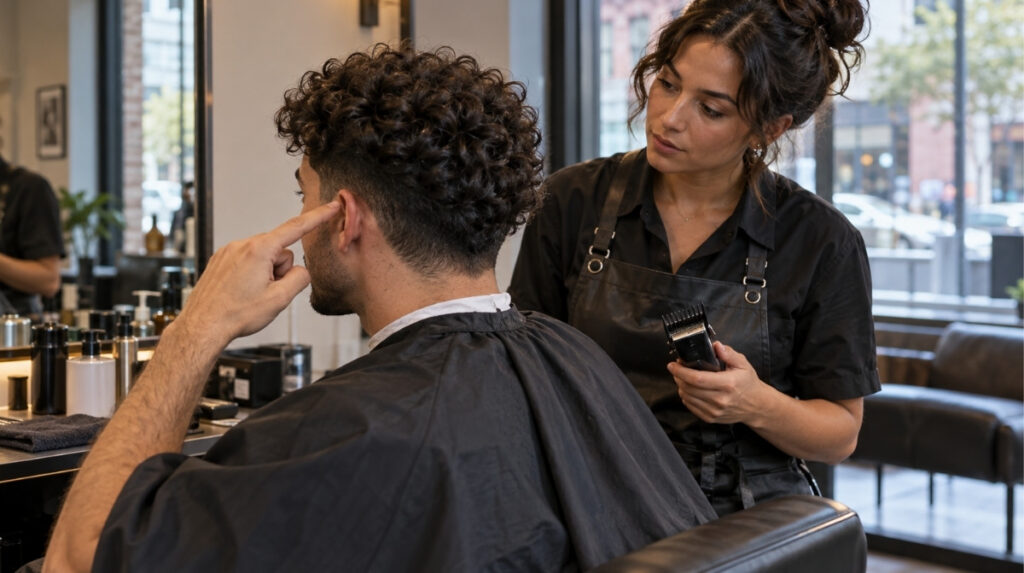
Haircut Communication Tips at a Glance
- Understand Clipper Sizing: Most standard clipper guards increase in approximately 1/8-inch steps. For example, a #1 guard typically leaves 1/8 inch of hair, while a #2 leaves 1/4 inch. The exact result can depend on the clipper model, blade, and adjustment setting.
- Describe Your Preferred Fade: Explain whether you want a skin or shadow finish, where the fade should sit on your head, and how noticeable you want the transition to appear.
- Use Three Reference Images: Show an example of your ideal haircut, a style featuring a similar hair texture, and a haircut you want to avoid.
- Communicate Before Cutting: Discuss your styling habits, hair concerns, and expectations during the consultation so your barber can recommend an achievable result.
- Recognize Professional Training: State-regulated barbering education includes structured instruction in haircutting, hair and scalp analysis, sanitation, and other skills needed to provide professional services.
Understanding Hair Clipper Guard Sizes and Cutting Lengths
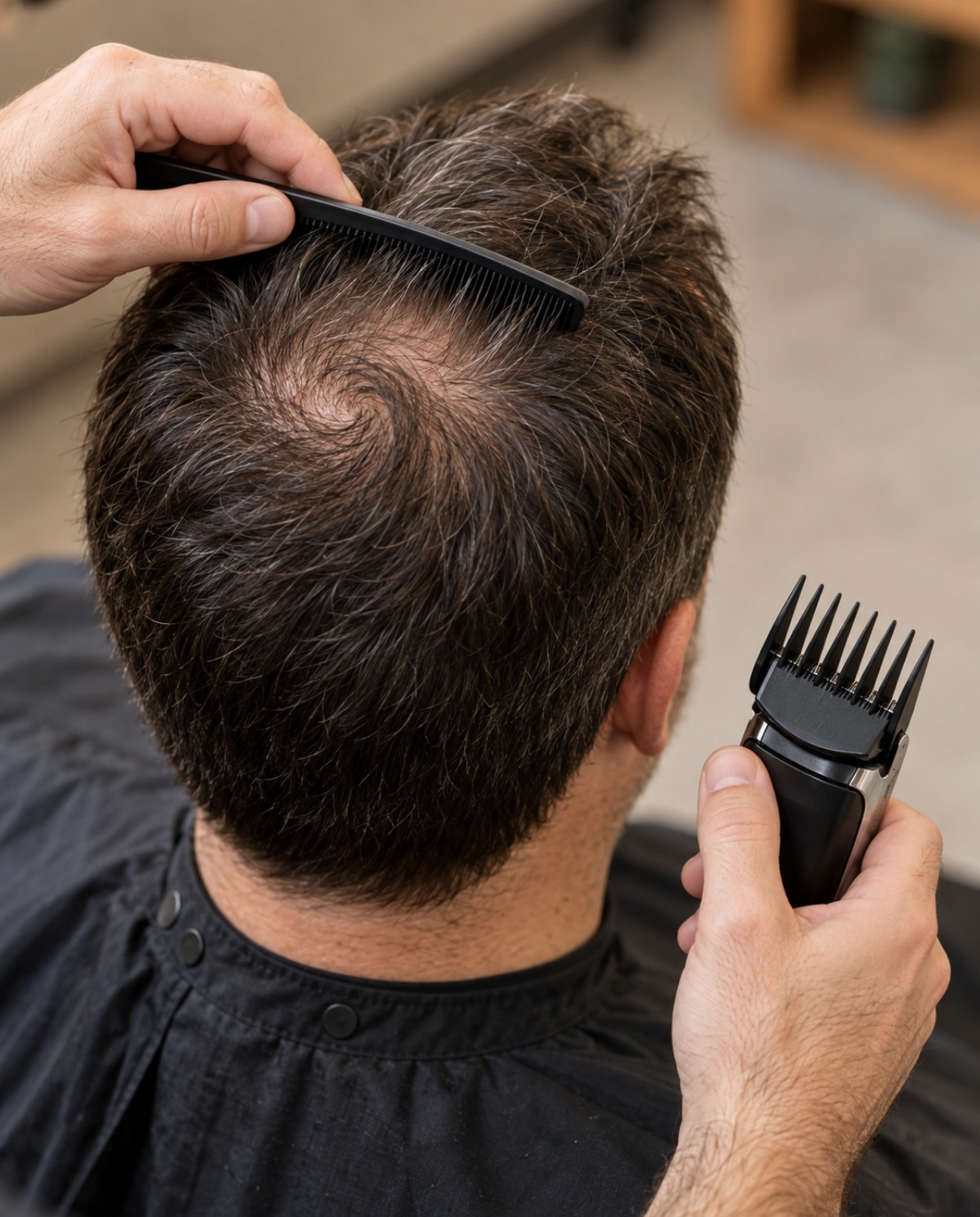
Choosing a clipper guard without understanding its measurements can produce a haircut shorter or longer than you intended. Most conventional guards use a numbering system in which each full-number increase adds approximately one-eighth of an inch to the remaining hair length. Both the Fade Buzz Cut Length Index and Wahl's official guide comb reference explain how clipper attachments determine cutting lengths. However, these measurements should be treated as general guidelines because equipment specifications vary.
The most commonly discussed barber haircut numbers correspond to the following approximate lengths. A #0 attachment may leave around 1/16 inch (1.5 mm), although zero-length guards and exposed blade settings are not identical across manufacturers. A #1 guard cuts hair to roughly 1/8 inch (3 mm), producing a close finish that may reveal the scalp. Moving up to a #2 leaves about 1/4 inch (6 mm), while a #3 retains approximately 3/8 inch (10 mm). A #4 guard leaves around 1/2 inch (13 mm), providing enough length for a less closely cropped appearance.
For anyone asking what a 1 is at the barber, the number generally identifies a #1 attachment rather than a particular haircut style. It indicates that the remaining hair should measure approximately 1/8 inch. Whether the result looks extremely close or slightly fuller depends on individual hair characteristics.
Another factor that affects the final cutting length is the clipper's adjustment lever. Many professional models allow the barber to move the blade between closed and open positions. Closing the lever generally produces a shorter cut, while opening it leaves slightly more hair. Consequently, the same #2 attachment can produce somewhat different results depending on how the barber operates the tool.
If you want your next appointment to produce a similar result, have your barber record the attachment number and lever position instead of relying solely on a haircut name.
Guard selection also involves understanding the difference between hair density and strand thickness. Density describes how many individual hairs grow within a particular area of the scalp. Strand thickness refers to the diameter of each hair. These characteristics are independent, meaning someone with fine hair can have high density, while another person may have coarse strands but fewer hairs overall.
This distinction matters because very short clipper settings can expose more of the scalp. A #1 cut may emphasize thinning, low-density areas, or a noticeable contrast between hair and skin color. Choosing a #2 or #3 may provide additional coverage and make natural irregularities in the shape of the head less prominent. Nevertheless, simply leaving the hair longer cannot guarantee that thinning areas will become less visible.
Your hairline and natural growth patterns deserve consideration as well. Hair growing in different directions around the crown can affect the haircut's appearance, particularly when the length is very short. Similarly, closely trimming the temples may make a receding hairline more apparent. A barber can assess these details and suggest a guard length that complements your existing hair distribution.
Rather than selecting a barber cutting number entirely on your own, explain the appearance you want and ask whether that attachment is appropriate for your hair.
Choosing the Right Fade Style and Explaining It Clearly
A fade involves blending shorter hair near the lower portion of the head into progressively longer hair above it. Although the basic technique is recognizable, asking for a fade without additional details may leave the barber uncertain about your intended result.
Knowing how to explain a fade to a barber becomes easier when you separate the haircut into three decisions: the shortest length, the height of the transition, and the overall contrast.
Begin by identifying how closely you want the bottom section cut. A skin fade, sometimes called a bald fade, removes the hair at its shortest point down to the skin. Barbers may use a foil shaver or straight razor to create an especially close finish. A shadow fade retains a small amount of visible hair instead, commonly achieved with a short clipper attachment or an adjusted blade. Depending on the desired appearance, a #0.5 or #1 setting may provide a less dramatic starting length.
Next, indicate where the transition should occur. A low fade keeps the shortest portion near the ears and neckline, with most of the blending concentrated lower on the head. A mid fade positions the transition higher along the sides, creating a middle ground between subtle and pronounced styles. A high fade carries the shorter section farther upward, sometimes approaching the parietal ridge, where the upper portion of the head curves toward the sides.
These categories do not represent exact measurements. Someone with a narrow head, pronounced temples, or a different crown shape may receive a visually different result even when requesting the same fade height. Pointing to the area where you want the shortest section to finish can help your barber understand your preference.
The third decision concerns contrast. A skin fade with a dramatic change between the shortest and longest sections creates a sharper visual effect. A softer blend produces a gentler progression and may look more natural. The 2026 barbershop trends discussed by Men Zone reflect growing interest in natural-looking cuts, softer transitions, and manageable grooming routines.
Maintenance expectations should also influence this choice. A gradual blend may make new growth less obvious than a high-contrast skin fade. However, haircut frequency depends on individual growth rates and how precisely you want to maintain the original outline. Some clients return every three to five weeks, while others schedule more frequent visits to preserve a freshly finished skin fade.
You should also distinguish between a level fade and a drop fade. A level fade generally follows a consistent height around the sides and back, whereas a drop fade curves lower behind the ears as it approaches the back of the head. This difference affects the shape of the haircut and the length retained around the crown.
If you have a cowlick, prominent crown, or particular head shape, explain those characteristics before deciding which transition works best.
Using Haircut Pictures to Communicate Your Expectations
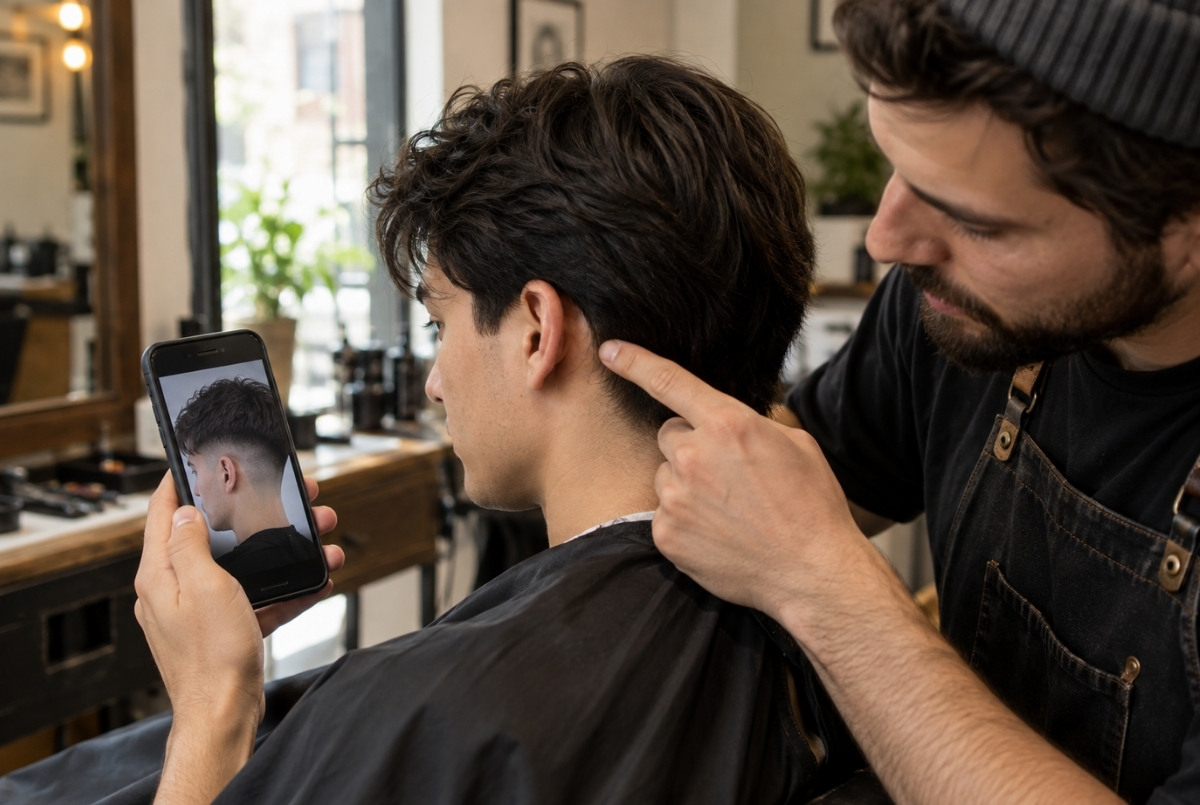
Reference images can make haircut consultations considerably easier, particularly when you are unfamiliar with professional barbering terminology. However, one photograph cannot always communicate everything the barber needs to know.
A hairstyle shown on someone else may look different on your head because of variations in hairline position, density, natural texture, and growth direction. The most useful approach is to provide several visual examples that explain both your preferences and limitations.
Consider organizing your haircut references into three categories. First, choose a picture that represents your ideal finished appearance. This image should demonstrate the overall silhouette, top length, and styling direction you prefer.
Second, find an example featuring hair characteristics similar to yours. Matching the natural texture helps the barber evaluate whether the intended shape is achievable without extensive styling. Straight hair, loose waves, tightly curled hair, and coarse strands can behave differently even when cut to comparable lengths.
Third, include an example of a haircut you would not want. This might show a fade that extends too high, an excessively short top, or a neckline shape you dislike. Such a reference provides useful boundaries and reduces the chance of misunderstandings.
When evaluating pictures, examine more than the finished hairstyle. Notice the model's natural hairline, apparent density, curl pattern, and the way the hair falls. A photograph of thick, straight hair may not accurately predict how the same cut will look on someone with fine or tightly curled strands.
Styling requirements should also be part of the discussion. Some photographed haircuts depend heavily on blow-drying, pomades, sprays, or daily shaping. Without those steps, the finished appearance may change significantly after the first wash.
Tell your barber how much time you are willing to spend styling your hair. Someone with only a few minutes available each morning may benefit from a modified version of the reference style rather than an exact recreation.
These consultations also have implications for professional customer relationships. Zenoti's Salon and Barbershop Metrics Guide identifies first-to-second-visit retention as an important measure for understanding whether new clients return to a business. The data does not prove that consultations are the leading cause of retention, but it illustrates why creating positive first experiences matters.
Within professional beauty and barbering education, learning to examine hair and discuss client needs helps students connect technical knowledge with practical service decisions. Understanding hair growth direction, cowlicks, and facial proportions can help professionals explain why certain styles may need adjustments.
For those interested in developing these skills professionally, Perimeter Beauty and Barber Institute offers career-oriented education in barbering and other beauty disciplines, with programs emphasizing practical training and industry knowledge.
How to Describe Your Haircut During a Barber Consultation
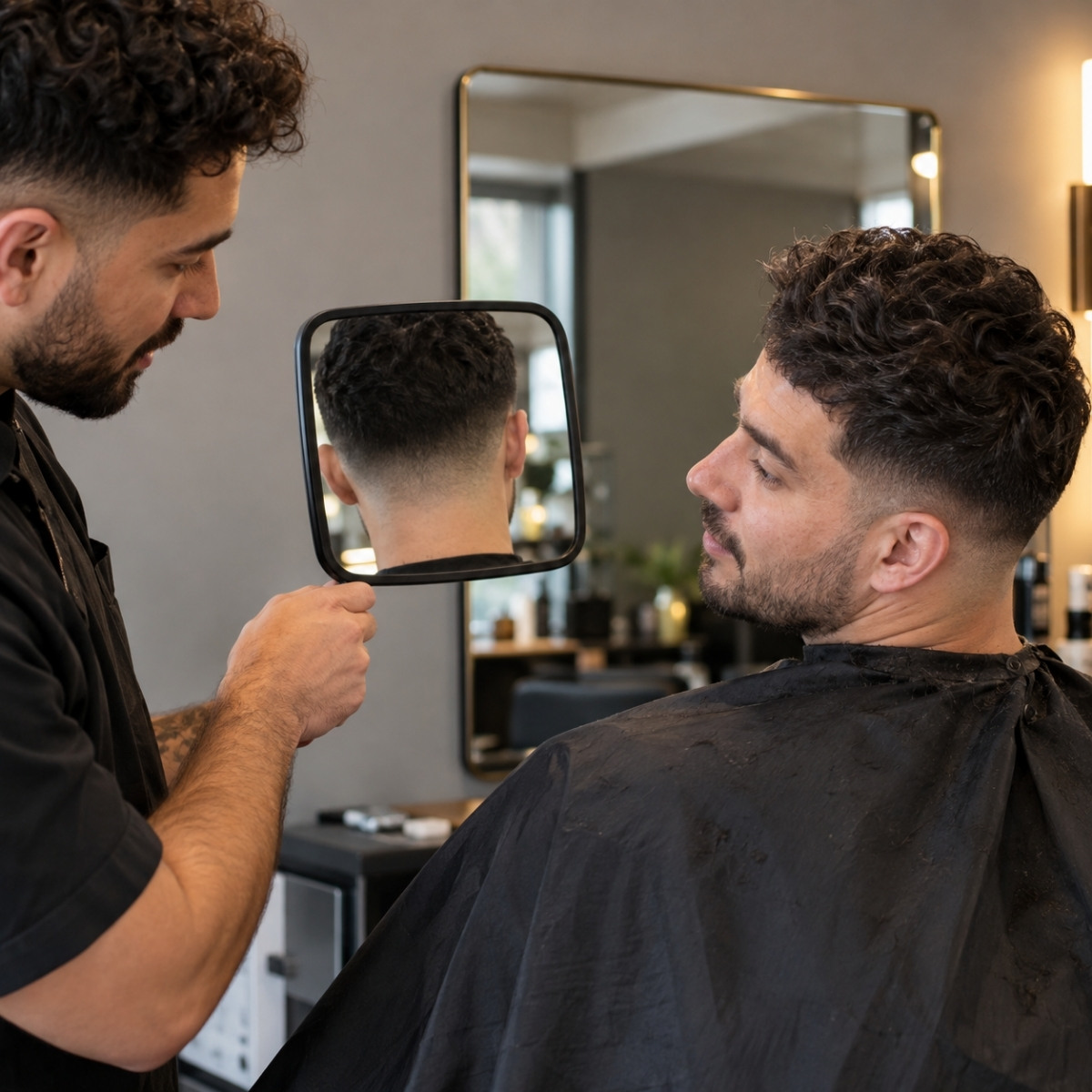
If you are uncertain about how to tell a barber to cut your hair, prepare a description built around three elements: the length you want on top, the preferred side length or fade position, and the neckline finish.
For example, your request might sound like this: "Please leave roughly two inches on top with some texture. I would prefer a mid fade beginning around a #2 guard, with a natural taper at the neckline."
This gives the barber specific information to work from while leaving room to discuss whether the requested lengths and proportions suit your hair. In comparison, simply asking for shorter sides and a small trim on top can lead to several different interpretations.
You do not need to understand every barbering term before visiting a shop. If you are wondering whether you can go to a barber without knowing what you want, the answer is yes. A consultation can help you explore suitable options before the haircut begins.
Instead of describing a specific style, explain what you need from your haircut. For instance, you might prefer something that requires very little morning maintenance, remains manageable between appointments, or complements your head shape.
Previous haircut experiences also provide useful information. If the sides became bulky too quickly, the top needed too much styling, or the neckline appeared harsher than expected, share those concerns. Explaining what did not work gives the barber a clearer picture of your priorities.
Some customers find the consultation or haircut itself uncomfortable. Manhattan Barbershop's discussion of barbershop anxiety describes how factors such as loud clippers, physical proximity, and uncertainty during the service can contribute to uneasiness. Being unable to see the barber's progress may add to that discomfort.
Good client communication can help reduce this uncertainty. A barber may explain upcoming steps, confirm preferences before making substantial changes, and invite questions throughout the appointment. If you are concerned about the direction of your haircut, asking for clarification or a temporary pause is entirely reasonable.
The goal is not to memorize technical vocabulary. It is to provide enough useful information for the barber to understand your expectations and explain what can realistically be achieved.
Common Questions About Barber Visits and Haircut Requests
How Does a Taper Differ From a Fade?
Both techniques involve gradual changes in hair length, but they are commonly applied differently. A fade frequently involves more extensive blending across the sides and back, sometimes beginning very close to the skin. A traditional taper generally keeps more surrounding length and concentrates the shortest areas near the sideburns and neckline. Because barbering terminology is not used identically in every shop, showing an example is more dependable than relying on the name alone.
Do I Need to Shampoo My Hair Before an Appointment?
You should generally arrive with reasonably clean hair that is free from excessive product buildup. This makes it easier for the barber to observe natural growth patterns, density, and how the hair falls. Washing immediately beforehand is not always necessary, particularly when shampooing is included in your appointment. Clients with curly or textured hair may want to ask whether the barber prefers the hair detangled, in its natural condition, or prepared another way.
Can I Request a Change if My Haircut Is Not Short Enough?
Yes. Mention your concern when you notice the length is different from what you expected. Additional hair can generally be trimmed, although some adjustments require extra blending to maintain the intended shape. If the haircut already appears shorter than you wanted, communicate that immediately before more length is removed. Once hair has been cut, it cannot be restored during the same appointment.
The Role of Client Consultation in Barber Education and Career Development
Barbering requires both precision and an understanding of the person receiving the service. Technical abilities such as clipper control, blending, and scissor cutting are essential, but communicating with clients is equally relevant to providing a satisfactory experience.
A professional must interpret haircut requests, recognize natural hair characteristics, and explain whether the desired outcome is practical. These abilities can contribute to customer confidence, stronger professional relationships, and repeat appointments.
Industry performance data highlights the significance of returning customers. Zenoti's 2026 Barbershop Trends report found that new guest visits decreased by 17% in 2025 among barbershops included in its North American same-store benchmark, while existing guest visits increased by 2%. Although these results do not establish a direct relationship between consultation practices and repeat bookings, they demonstrate the importance of maintaining an established clientele.
Professional barbering programs also provide structured instruction intended to prepare students for technical and safety responsibilities. Under Georgia Rule 240-14-.02, the Master Barber curriculum includes at least 1,500 training hours, with 280 initial theory hours required before students begin clinical services. The initial instruction includes 25 hours devoted to hair and scalp treatments, shampooing, conditioning, and related knowledge. Students also receive practical training in haircutting and other barbering services.
Regulatory standards vary between states. For instance, the Arkansas State Board of Barber Examiners oversees matters involving barber licensing, school curricula, examinations, and sanitation requirements. These systems help establish expectations for professional preparation and public safety.
Beyond learning cutting techniques, barber students may study hair structure, scalp conditions, natural growth patterns, infection prevention, and the responsibilities involved in operating or working within a professional service business. Such knowledge can support more informed recommendations during consultations.
Career opportunities are another consideration for people exploring barbering education. According to the U.S. Bureau of Labor Statistics, barbers earned a median hourly wage of $18.37 in May 2025, including tips. Employment for barbers is projected to increase by 3% between 2025 and 2035. Actual earnings vary according to geographic location, experience, customer demand, employment structure, and individual business circumstances.
For prospective students, choosing an appropriate training path means considering both the services they want to perform and the professional skills they hope to develop. Practical experience, technical knowledge, and effective client communication all contribute to preparing for a career in barbering.
Explore Barbering Education at Perimeter Beauty and Barber Institute
Helping clients feel comfortable and understood is an important part of building a professional reputation in the beauty industry. Developing that ability alongside technical haircutting skills can provide a foundation for a career serving a wide range of clients.
At Perimeter Beauty and Barber Institute, prospective students can explore training in Master Barbering, Master Cosmetology, Esthetics, Nail Technology, and Instructor Training. The school emphasizes hands-on education, industry knowledge, and preparation for professional beauty careers.
If barbering is your area of interest, learning more about the school's programs and training environment can help you evaluate your next step.
Visit the Perimeter enrollment page to review admission information, request details, or arrange a campus tour. You can also complete the contact form below to connect with the admissions team and discuss your training goals.