Can I or Anyone Get Into Cosmetology School? A Guide to Cosmetology Education Requirements

I see this question pop up in my inbox and on forums all the time: “Is it actually possible for me to get into beauty school?” Usually, the person asking is worried because they have a GED instead of a diploma, they didn’t finish high school yet, or they’re only 16 and ready to start their career early.

If that’s you, I want to give you the straight talk. You aren’t just looking for a pep talk; you need to know the logistics so you don’t waste your energy on a path that might be blocked. I’ve spent enough time in the beauty industry to know that the “requirements” can feel like a maze.

I’m going to break this down the way a real beauty professional would explain it: clearly, honestly, and without confusing you.

The Three Gatekeepers: Why Answers Always Seem to Conflict

The reason you get different answers when searching for “how to enroll in cosmetology school” is that there isn’t just one set of rules. You’re actually dealing with three different organizations, and they don’t always agree with each other.

1) The School’s Own Rules

Every school has its own “vibe” and its own internal standards for who they let in. While many prefer a high school diploma or a GED, some are more flexible with conditional enrollment if you are currently working on your credentials.

2) The State Board Requirements

This is the most important one if you actually want to work. Even if a school lets you sit in a chair and learn, you can’t get a license unless you meet the state’s criteria. In Georgia, everything goes through the Georgia State Board of Cosmetology and Barbers. If they say you need a certain education level to take the exam, that is the final word.

3) Federal Financial Aid (FAFSA)

If you are planning to use federal grants or loans to pay for school, the government has very strict rules. Usually, this means you need a high school diploma or a GED. However, there are some “Ability-to-Benefit” (ATB) pathways. These are specific setups where you can prove you have the academic skills to succeed even without a traditional diploma, often through an Eligible Career Pathway Program.

Can You Go to Cosmetology School Without a High School Diploma?

This is the big one. I’ll break down the most common scenarios I see:

If You Have a GED

If you’ve been wondering, “Can I get into cosmetology school with a GED?” the answer is almost always a resounding yes. In the eyes of most admissions offices and the state of Georgia, a GED is equivalent to a high school diploma. It is a very standard and respected route into the industry.

If You Don’t Have a Diploma or a GED

This is where you have to be careful. You might find a cosmetology school without GED or diploma requirements for enrollment, but that doesn’t mean you can get your license later.

I always tell people to look for these options if they are in this boat:

  • Conditional Enrollment: You start your beauty training while simultaneously finishing your GED.
  • ATB Testing: Taking an approved test to show you’re ready for the coursework.
  • Career Pathways: Programs designed to help you get your adult education and your professional certificate at the same time.

Just remember: being allowed to start classes is not the same thing as being eligible for a license or financial aid. Always ask the school specifically about the “Ability-to-Benefit” rules before you sign anything.

Starting Young: Can You Go to Cosmetology School at 16?

I love seeing young people who know exactly what they want to do. If you’re searching for “cosmetology school for teens” or “cosmetology for high school students,” you’re in luck.

In many cases, you can start your training at 16 or 17. If you are under 18, you will just need a parent or guardian to sign the paperwork with you. Some high schools even have partnerships with local programs, or you might find “high schools with cosmetology” where you can earn hours toward your license while finishing your regular classes. Just keep in mind that the age you start training might be different from the age you are allowed to sit for the actual state exam.

Is It Hard to Get Into Cosmetology School?

A lot of people worry that they won’t get accepted because they aren’t “artistically talented” yet. Let me clear that up: beauty school is where you learn the talent. It isn’t like a traditional university where they are looking at your SAT scores or your GPA from three years ago.

When people ask me “how hard is it to get into cosmetology,” I tell them it’s usually not about your grades – it’s about the logistics. Most “rejections” or delays happen because:

  • Paperwork Errors: You’re missing a valid ID, your birth certificate, or your transcript.
  • Funding: Your financial aid hasn’t been processed yet.
  • Class Capacity: There are only so many stations on the floor and so many instructors. If a class is full, you just have to wait for the next start date.

So, while not everyone gets in the very second they want to, it’s usually a matter of getting your documents in order rather than beating out “competition.”

How to Make Sure You’re Choosing the Right Path

If you want to know how to get accepted into cosmetology school without the stress, I suggest following these three steps:

1) Check the State Rules First

Go to the Georgia State Board of Cosmetology and Barbers website. See what they require for the specific license you want (Cosmetology, Hair Design, etc.).

2) Ask the “Clarity Question”

When you talk to an admissions officer, don’t just ask if you can join. Ask: “Based on my current education status, will I be eligible for the state exam and federal financial aid once I finish this program?”

3) Tour the School

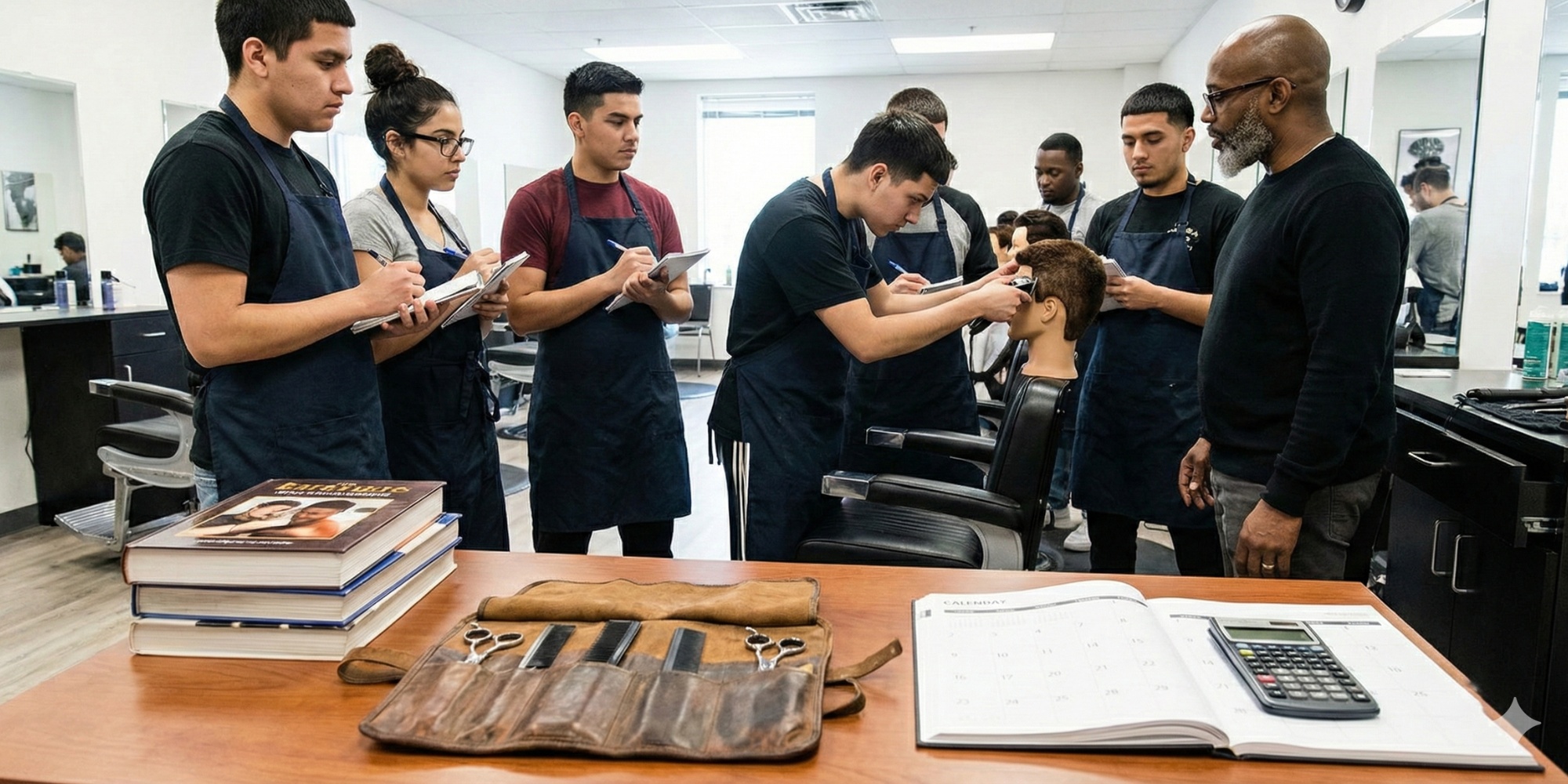
You need to see the clinic floor. You need to see if the instructors are actually interacting with students and if the environment feels like a place where you can grow.

Who Is Beauty School Actually For?

I believe beauty school is for the “doers.” It’s for people who are tired of sitting behind a desk and want to use their hands to create something.

In my experience, you will be a great fit if you understand that:

  • Attendance is everything. You are literally “clocking hours.” If you aren’t there, you aren’t progressing.
  • Repetition is the only way to get good. You will fail at a few haircuts and updos before you nail them. That’s the point.
  • It’s a people business. You aren’t just doing hair or skin; you’re managing emotions and building relationships.

If you’ve felt like a bit of an outsider in traditional school, you’ll likely find your tribe here. It’s a place where non-traditional backgrounds are the norm, not the exception.

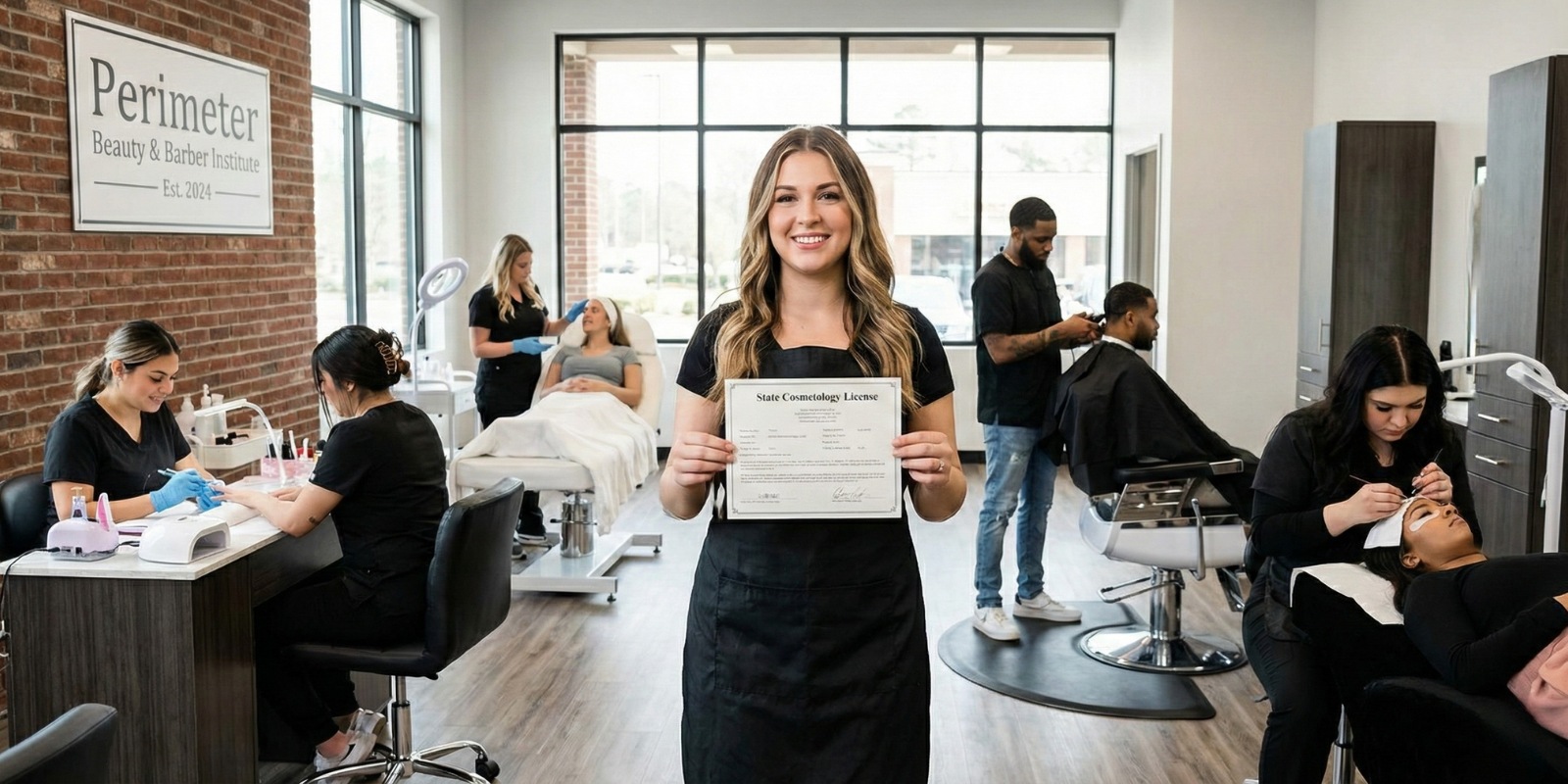
Starting Your Journey at Perimeter Beauty & Barber Institute

If you are looking for a place that understands these requirements and can help you navigate them, you should look into what we’re doing at Perimeter Beauty & Barber Institute.

I’ve looked closely at how we run things here, and our focus is on making sure you are career-ready the moment you walk out the door. We offer several different paths depending on where you want your career to go:

  • Master Cosmetologist
  • Master Barber
  • Esthetician
  • Instructor Training

We are very transparent about our process. If you want to see the nitty-gritty details on what you need to bring to your orientation, you can check out our school’s specific admissions guidelines and student resources on our site.

Ready To Take The Next Step?

I always recommend seeing the space in person. You can fill out the contact form right below this article, and someone from our team will reach out to chat about your goals, help you figure out the education requirements, and get you scheduled for a tour. I’d love to see you on the clinic floor soon.

Cosmetology Without a License: How to Legally Build Your Career and Stay Safe

If you have been scouring the internet for ways to break into the beauty world without a license, you aren’t trying to be reckless. You are simply being realistic.

Maybe you need to start earning sooner, or perhaps the thought of a full-time program feels like a lot to take on right now. I have also seen how confusing it is when you get five different answers on Reddit or TikTok and you’re just wondering which path is actually legal.

I want to break this down for you in plain English. I’ll explain what “licensing” really implies in our industry, where the legal “danger zone” usually starts, and the actual cosmetology jobs without license requirements that you can start today while staying on the safe side.

License vs Certification vs Business License: The Simple Breakdown

This is where most of the confusion starts, so let’s clear it up.

A Professional License

Think of this as your legal permission from the state to perform specific services on the public. States require this because beauty work often involves chemicals, sharp tools, or hygiene risks that can cause real harm if handled incorrectly.

A Certification

A certification is basically a “badge of skill.” You can get certified in things like lash extensions or specialized facials through private companies. It helps your credibility and looks great to clients, but on its own, it does not give you legal permission to charge for a service if your state requires a license.

A Business License

This is just about operating as a legal business entity. It covers taxes, city permits, and your right to sell products. Even if you don’t need a personal cosmetology license for a specific role, you’ll almost certainly need a business license to charge money for products or services.

A simple way I like to remember it: license = permission to perform, certification = proof of skill, business license = permission to get paid.

How the Law Decides What Is Regulated

Most state boards don’t care about your talent level; they care about risk.

Usually, a service is regulated if it involves:

  • Cutting or chemically altering hair
  • Professional-grade chemicals (strong peels or relaxers)
  • Tools that require high-level sanitation
  • Anything that can break the skin or cause an infection
  • Procedures that could lead to burns or long-term damage

Services that stay on the “surface” are often where the gray areas live. This is why you will hear one person ask, “can you be a makeup artist without a license?” and get a “yes,” while someone in another state says “no.” Both might be right – it just depends on the local board.

Beauty Careers You Can Often Start Without a License

If your goal is to get your foot in the door and start building a brand, you have several options that don’t involve performing regulated services.

Non-Service Beauty Roles

These are great for building your network without any legal risk:

  • Beauty retail and product sales
  • Social media content creation (reviews, tutorials, or mannequin demos)
  • Salon front desk, booking coordinator, or concierge
  • Beauty writing for blogs or newsletters
  • Product consulting (helping people find a routine without doing the treatments)
  • Beauty photography or videography

Product-Based Side Hustles

If you want to be your own boss, focusing on products is a smart move:

  • Starting a press-on nail brand
  • Selling beauty tools or accessories
  • Creating digital products like hair care guides or makeup checklists

This path usually requires a solid business setup, but it’s a way to explore cosmetology without a license while staying legal.

Salon Ownership: You Can Often Own Without Being Licensed

This surprises many people, but in most places, you can actually own a salon without holding a personal license yourself.

If you have ever wondered, “can I open a salon without a cosmetology license?” or “how to open a hair salon without a cosmetology license?”, the answer is usually yes – as a business owner.

The key is how you structure it:

  • You hire licensed professionals to perform the regulated services.
  • The facility must have its own “establishment license.”
  • You stay compliant with local health, safety, and zoning permits.
  • You manage the business, while the pros handle the hair and skin.

So, can you own a salon without a cosmetology license? Definitely, as long as you aren’t the one picking up the shears.

The Big Questions: Lashes, Nails, Hair, and Makeup

Most people aren’t trying to break the law; they just want to know: “can you practice cosmetology without a license in these specific areas?”

Here is how the legal lines are usually drawn:

Where the Risk Usually Rises

  • Lashes: Because it is so close to the eyes and involves adhesives, most states say no if you ask “can I be a lash tech without a cosmetology license?” or even “can I do lashes without a cosmetology license?”
  • Nails: If you’re asking “can I be a nail tech without a cosmetology license?” or “can I do nails without a cosmetology license?”, be careful. Any service involving tools or cuticle work is usually regulated.
  • Hair: You generally cannot do hair without a cosmetology license if it involves cutting or chemicals. However, simple braiding without heat or chemicals is sometimes allowed.
  • Makeup: This is the most flexible. Many people ask “can you do makeup without a cosmetology license?” and the answer is often yes, as long as you aren’t prepping the skin with regulated treatments.
  • Specialties: If you are wondering “can you be an esthetician without a cosmetology license?” or “can you be a barber without a cosmetology license?”, the answer is usually that you need a specific, shorter license for those roles. Also, if you ask “can you do microblading without a cosmetology license?”, keep in mind that is often treated as permanent makeup or body art and has its own set of rules.

How to Check the Rules for Your Career Path

If you want to move forward with total peace of mind, I recommend this plan:

1) Be specific about your service “Makeup” is vague. “Applying makeup for weddings” is specific. The more specific you are, the easier it is to find the rule.

2) Check with the right Board Go straight to your state’s Board of Cosmetology or the Health Department. Avoid trusting random forum posts.

3) Confirm all three layers Check if you need a personal license, an establishment license for your workspace, and a local business permit.

4) Build a legal bridge Focus on content, products, or administrative roles while you are working toward your goals.

The beauty industry is full of opportunities, and there is plenty of room for you to grow. Whether you choose to work in the business side of things or eventually go for your full careers with a cosmetology license, starting the right way is what protects your future brand. Take it one step at a time, stay curious, and always keep the legal side of things in check so you can create with total confidence.

What Careers Fall Under Cosmetology? Exploring Your Licensed Options

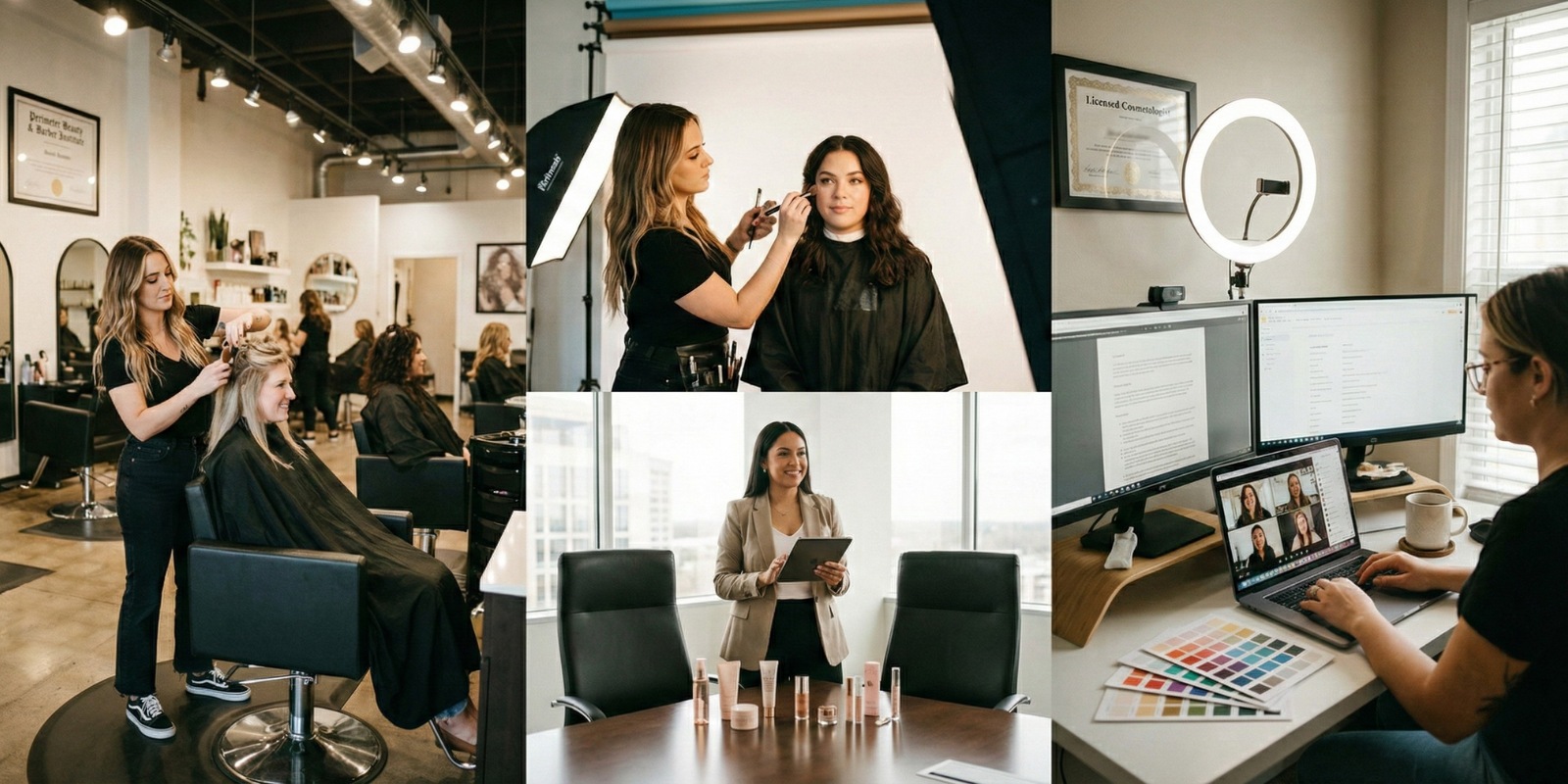
Most people think that getting a cosmetology license means you have exactly one path: standing behind a salon chair for the rest of your life. But honestly, that license is more like a skeleton key. It can open doors to dozens of different cosmetology careers, ranging from luxury spas and high-fashion sets to education, brand management, and even legitimate remote roles.

If you have been wondering about the best cosmetology careers or which paths actually offer stability and a good salary, I want to break it down for you. This isn’t just about “doing hair” – it is about building a career that fits your life.

Understand Your Scope Before Diving In

Your license is a powerful tool, but what you can actually do with it depends on your local laws. It is very common for two people to be “licensed cosmetologists” but have different rules based on their specific state board.

For instance, if you want to see how these rules are laid out, Texas provides very detailed guides on what is allowed under different license categories.

Also, if you are dreaming of a home-based business, keep in mind that many states view a home setup as a regulated establishment, not just a casual hobby. California’s home salon guidance is a great example of how strict these health and safety rules can be.

My best advice: always double-check with your state board before you spend money on a specific niche. It prevents a lot of headaches later.

Traditional and In-Person Career Opportunities

The Modern Salon and Studio

This is the most familiar lane, but it is much broader than people realize. Within a salon, you can find various professions in cosmetology like:

  • Precision cutting and styling
  • Specialized color services
  • Luxury blowouts
  • Texture-focused styling
  • Hair extensions and bridal work

Specializing in one of these areas is usually how you increase your income. According to the Bureau of Labor Statistics, the median pay for hairstylists and cosmetologists was around $16.95 per hour (May 2024), with roughly 84,200 job openings expected every year over the next decade. While that is a baseline, many top stylists earn significantly more through tips and high-end services.

Skin and Nail Specialization

Many licensed pros find their “vibe” in skincare or nails. According to BLS data, skincare specialists see a median pay of about $19.98 per hour, while manicurists and pedicurists are around $16.66 per hour (May 2024). These are fantastic cosmetology occupations if you enjoy detailed work and building a loyal, repeat client base.

Care-Focused Beauty and Senior Living

One of the most stable jobs in the cosmetology field that people rarely talk about is working within senior communities. Companies like Resident Salon Services hire pros to work directly in these facilities. It usually offers more predictable hours and a built-in clientele without the stress of constantly chasing new trends.

Creative and Specialized Industries

If you have a flair for the dramatic or love storytelling, you might look into:

  • Wedding and large-scale event styling
  • Fashion and editorial shoots
  • Film, television, and stage productions

The BLS tracks makeup artists in the theatrical and performance space as a real category. If you want to work on a union film set, groups like IATSE Local 706 notes that Hair Stylists need a current cosmetology license as part of qualifying/documentation (including through CSATF), and it also instructs Hair Stylists to bring a cosmetologist license for certain non-roster paths.

Wigs and Hair Loss Support

This path combines technical skill with deep empathy. Some professionals specialize in styling and customizing wigs for medical hair loss. The American Cancer Society and the National Alopecia Areata Foundation provide resources on how these services are often categorized for insurance purposes. It is a highly respected niche that makes a massive difference in people’s lives.

Mortuary Cosmetology (A Real Niche)

It isn’t for everyone, but some cosmetologists work with funeral homes to prepare hair and makeup for viewings. Mainstream sites like Indeed often list this as a specific career path. If you are interested, I recommend reaching out to local funeral directors to learn the specific requirements in your area.

Corporate Jobs With a Cosmetology License

If you want a traditional structure with cosmetology jobs with benefits, you should look toward the corporate side of beauty.

Brand Education and Training

If you love explaining the “why” behind a product, you might be a natural for education. This can involve teaching at a school, working as an in-salon trainer, or doing product demonstrations at major trade shows. Brands are always looking for licensed pros who can represent them professionally.

Sales and Brand Management

You could also become a professional sales representative or an account manager for a beauty brand. These roles value your license because you understand the products on a technical level, making you a much more reliable partner for salon owners.

Can You Work From Home With a Cosmetology License?

I get this question a lot: “Can a licensed cosmetologist work from home?” The answer is yes, but it usually isn’t hands-on hair service. Most cosmetology remote jobs work from home involve consulting, support, or digital content.

Online Color Consulting

This is one of the most legitimate work-from-home options for licensed pros. For example, eSalon has historically hired online colorists to help customers choose the right formulas. It allows you to use your color theory knowledge without the physical strain of standing all day.

Remote Brand Support

Many hair care and color brands need experts for their customer service and technical support teams. Having a license allows you to troubleshoot issues and manage expectations in a way that an unlicensed person just can’t.

Digital Content and Education

You don’t have to be a massive influencer to make this work. Many pros create paid tutorials, resource guides for other stylists, or product education content. Your license gives you the credibility that viewers are looking for.

How Perimeter Beauty & Barber Institute Prepares You for These Paths

If you are looking at all these cosmetology career opportunities and thinking, “I want in,” the first step is choosing a school that actually prepares you for the real world. You don’t just want to pass a test – you want to be “Salon Ready.”

At Perimeter Beauty & Barber Institute, our curriculum is designed for flexibility and depth. We offer a Master Cosmetologist program that covers 1,500 hours, which is the required standard for Georgia licensure.

Our Hybrid Learning Model

One of the most unique aspects of training with us is our hybrid structure. Our program includes 350 hours of distance learning (off-campus) and 1,150 on-campus hours. This allows you to handle the theory work on your own schedule while spending the bulk of your time getting the hands-on experience you need.

Real Experience on the Clinic Floor

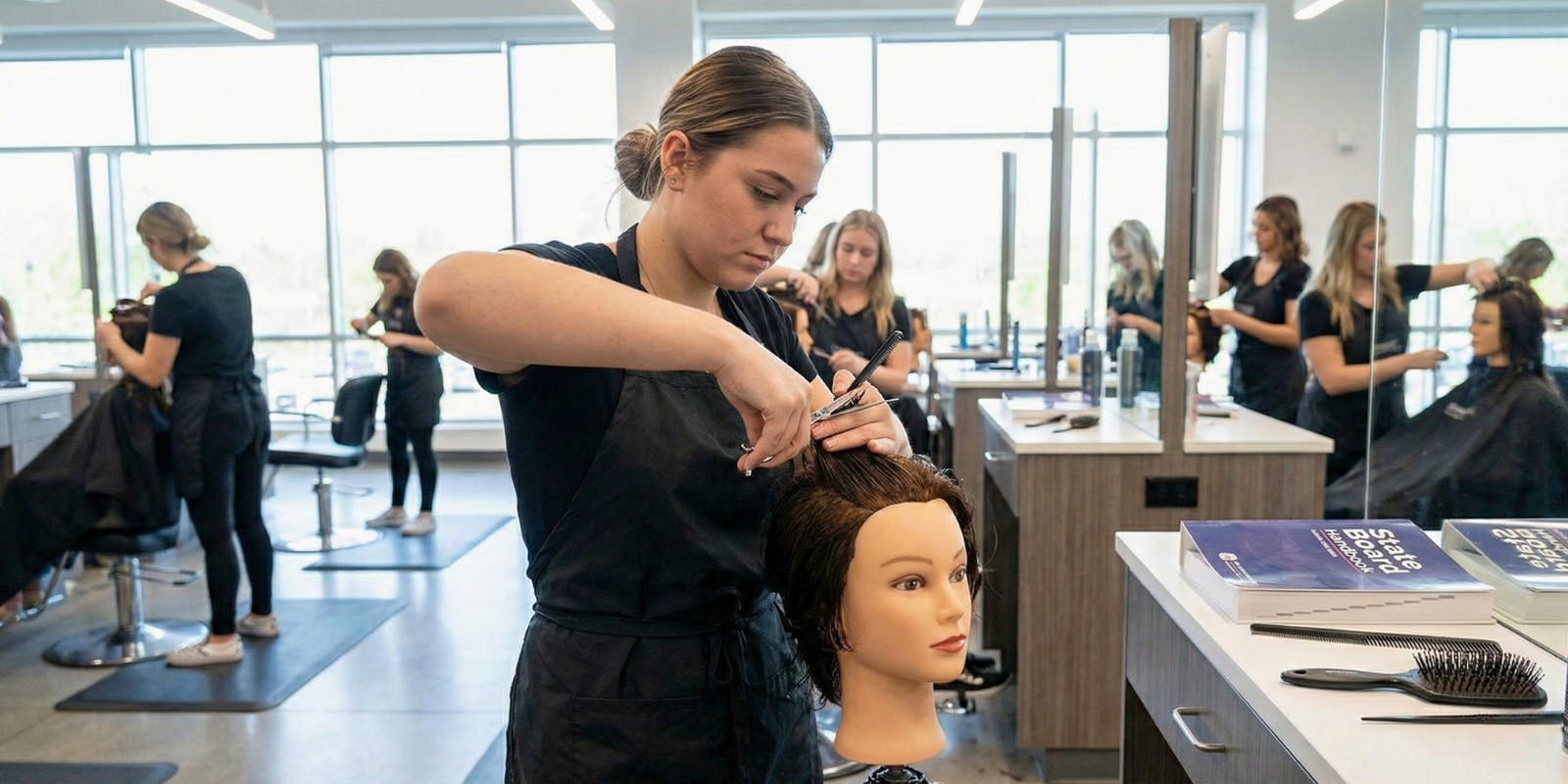
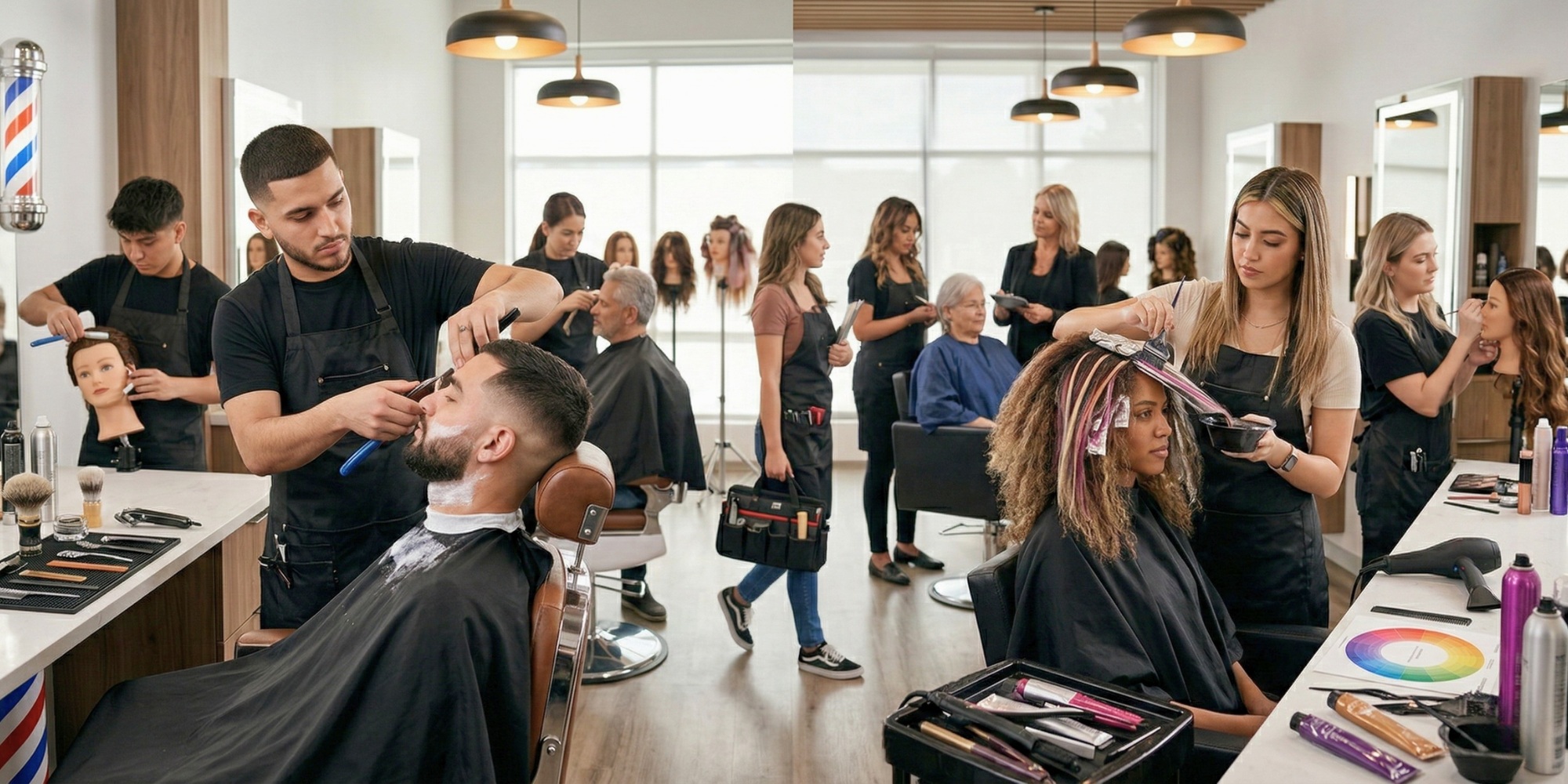
At Perimeter, you aren’t just practicing on mannequins forever. Our students work on the clinic floor using high-quality professional products like CHI. This is where you actually learn how to interact with live clients and build the confidence that leads to high-paying jobs with a cosmetology license.

Comprehensive Training

Our Master Cosmetologist program doesn’t just stick to hair. We include intensive training in skin and nail care, as well as essential business and retail skills. Whether you want to work in a high-end spa or eventually run your own business, we provide you with a well-rounded foundation.

Career Support and Next Steps

We know many people worry about what happens after graduation. That is why we offer employment assistance to help you find cosmetology jobs hiring in the local area. We also guide you through the Georgia state board exam process so you aren’t navigating those logistics alone.

If you are ready to see if this is the right fit for you, the best thing you can do is book a campus tour. It is a quick, 30-minute visit where you can meet our instructors, see our facilities, and ask specific questions about schedules and tuition. Making an informed choice now is the best way to ensure you land one of those best jobs with a cosmetology license later.

Can You Work as an Esthetician, Barber, or Nail Tech with a Cosmetology License? What the Law Actually Says

If you have just finished beauty school or you’re staring at your license wondering what your actual day-to-day job can look like, you aren’t alone. I hear this question from students all the time: I have a cosmetology license, so can I just start doing facials full-time? Or, do I need a separate license to work in a barbershop?

There is a lot of noise out there, and sometimes even salon owners or fellow stylists give advice that doesn’t quite line up with the law. The truth is that while a cosmetology license is incredibly broad, it isn’t a free pass for every single service in the building. It all comes down to your scope of practice, which is a fancy way of saying what your state legally allows you to do under your specific license.

The “Scope of Practice” Reality Check

In the U.S., every state board has its own set of rules. For instance, in New York, a cosmetology license is a bit of a “catch-all” that includes esthetics, nails, and even some barbering tasks like beard trimming.

Then you look at a state like Texas, and things get more specific. They provide very clear guides on what a Cosmetology Operator can do versus what they can’t. A big one there is the razor: cosmetologists are often limited to safety razors, while straight-razor shaving is reserved for barbers.

So, if you’re asking yourself, “can I work as an esthetician with a cosmetology license?” the answer depends entirely on the definitions set by your state’s regulatory board. You can basically do exactly what the law says – no more and no less.

My 5-Minute Verification Process

Before I ever add a new service to my menu or help a student plan their career, I use a quick verification process to stay safe:

  1. Find your official state board website (like the Georgia Board of Cosmetology and Barbers).
  2. Search for “Scope of Practice,” “Laws and Rules,” or “Industry Bulletins.”
  3. Check the definitions for specific words like eyelash extensions, chemical peels, straight razors, or facials.
  4. Get it in writing. If the rules are blurry, I always email the board and save their response.

States like California use industry bulletins to clarify new trends, while Texas centralizes everything into license-specific guides. Doing this prevents you from accidentally risking the license you worked so hard to get.

Can You Work as an Esthetician with a Cosmetology License?

In most states, the answer is yes, but with limits. Usually, a cosmetology license covers what we call “basic skincare.”

In New York or Florida, the legal definition of cosmetology explicitly includes skin treatments and waxing. However, you have to be careful with the “advanced” stuff.

“Basic Skincare” vs. “Advanced Procedures”

For example, Illinois regulators have released statements prohibiting both cosmetologists and estheticians from performing procedures that affect the deeper, living layers of the skin. Similarly, California is very direct about things like microneedling, stating it falls outside the scope of any board licensee.

Also, keep an eye on your title. The National Coalition of Estheticians Association (NCEA) points out that in some states, you can perform the service but you legally cannot call yourself an “Esthetician” unless you have that specific license. If you are building a brand or a website, that’s a detail that really matters more than you’d think.

Doing Nails on a Cosmetology License

This is usually the most straightforward path. In places like Texas and Florida, the cosmetology license naturally includes manicures, pedicures, and the application of artificial nails.

Even though it’s legally “allowed,” I always tell people that the real challenge here is technique and safety. If you want to be a top-tier nail tech, you need to stay on top of sanitation and product chemistry to keep your clients safe and your business growing. Even if you can be a nail tech without a separate license, you still need those professional standards to stay employable.

The Truth About Eyelash Extensions

Lashes are where things get confusing because a lot of people think a weekend certificate is the same thing as a license. It isn’t. You need a license scope that covers it.

California’s board is very clear: you must be a licensed cosmetologist or esthetician to legally apply lash extensions. Texas actually has a specific license just for lashes, but they also allow Cosmetology Operators to perform those same services.

The biggest thing I see in professional circles, like the community over at SalonGeek, is the stress over insurance. Even if your license allows lashes, you need to make sure your professional liability insurance actually covers them. One thread on the forum discusses how moving from simple lifts to extensions can change your coverage needs. If you add a service without checking your policy, you might be flying solo if something goes wrong.

Can a Cosmetologist Work as a Barber?

This is where the surprises happen. While many hair-cutting techniques overlap, the “straight razor” is usually the legal wall.

In Texas, for example, a cosmetology license lets you do almost everything a barber does except for straight-razor shaving. You can’t even advertise that you do it for money. Meanwhile, in New York, the cosmetology license actually includes shaving and beard trimming in its basic definition.

It’s also interesting to note that in Texas, a Class A Barber can do almost everything a cosmetologist does, but they are often restricted from doing eyelash extensions. This is why “having a license” isn’t the whole story – you need the right license for your specific career goals.

A Quick Warning on Working Without a License

I know the temptation is there to start working as a nail technician without a license or to “do lashes on the side” while you’re still in school. But the risks are massive. Most boards have very strict language about “performing or advertising” services for compensation without a license. It can lead to heavy fines or even being banned from getting your license in the future. It is much better to finish your hours and start your career on solid legal ground.

Your Career Path at Perimeter Beauty & Barber Institute

If you are looking at all these different lanes and trying to figure out which one to pick, that is where we come in. At Perimeter Beauty & Barber Institute, we focus on making sure you are “Salon Ready” the moment you graduate.

Pick a Broad License for Maximum Flexibility

If you want the most flexibility possible, our Master Cosmetologist program (1,500 hours) is the “big” license. It covers the fundamentals of hair, skin, and nails in one pathway. It’s perfect if you want to be able to jump between chairs or offer a full-service experience to your clients. This is the ultimate “cosmetology license to esthetician” or “cosmetology to barber” foundation.

Focus on Your Specialty Fast

However, if you already know exactly what you love, we offer focused tracks to get you into the industry faster:

  • Esthetician (1,000 hours): We dive deep into facials, waxing, and makeup, while also helping you with career prep like resume writing and job-seeking skills.
  • Nail Technician (600 hours): This is a faster track that covers everything from basic manicures to advanced acrylic sets and nail art.
  • Master Barber (1,500 hours): If you want to master the art of the straight-razor shave and classic grooming, this is the specialty for you.

Students train using professional product lines like CHI, which means you’ll be training with professional-grade products in a real-world environment. Plus, we offer flexible schedules – including Day, Night, and even 2-Day options – so you can fit school into your actual life. We even offer instructor training if you want to teach later on.

Easy Next Step: Visit Us in Dunwoody

The best way to get your questions answered is to come visit us. You can book a 30-minute campus tour right on our website, meet the instructors, and see the salon floor in action. I’d love to help you figure out which license will get you to your goal the fastest.