Cosmetology License Requirements by State: What You Need to Know Before You Enroll

“`html
If you spend time in the beauty world, you will see plenty of people talking about creative freedom, personal branding, and the excitement of working behind the chair. What often gets less attention is the practical side of becoming legally ready to work. Before you can build a client base or open your own space, you need to understand training hours, testing steps, renewal rules, and state board expectations.

Many future beauty professionals pause because they are unsure whether school will fit their schedule or whether they can handle a formal licensing exam. If you want a clearer starting point, this guide on cosmetology education requirements can help you understand what aspiring students usually need before entering the field.

Key Takeaways

  • Rules Change by State: Cosmetology licensing is controlled by individual state boards, so age rules, training hours, exam formats, fees, and renewal schedules can differ from one state to another.
  • More States Are Moving Toward 1,000 Hours: Several major states now use a 1,000-hour cosmetology pathway, and recent research suggests lower hour requirements may reduce tuition and improve completion without showing a detectable drop in cosmetologist earnings.
  • License Mobility Is Improving: The Multi-State Cosmetology Licensure Compact is meant to make interstate practice easier for eligible licensees once fully implemented, but it should not be treated as automatic nationwide license transfer.
  • Renewal Rules Protect More Than Paperwork: License renewal and continuing education requirements help boards reinforce sanitation, legal compliance, consumer protection, and updated health-and-safety practices.

Why Cosmetology Rules Look Different Across the Country

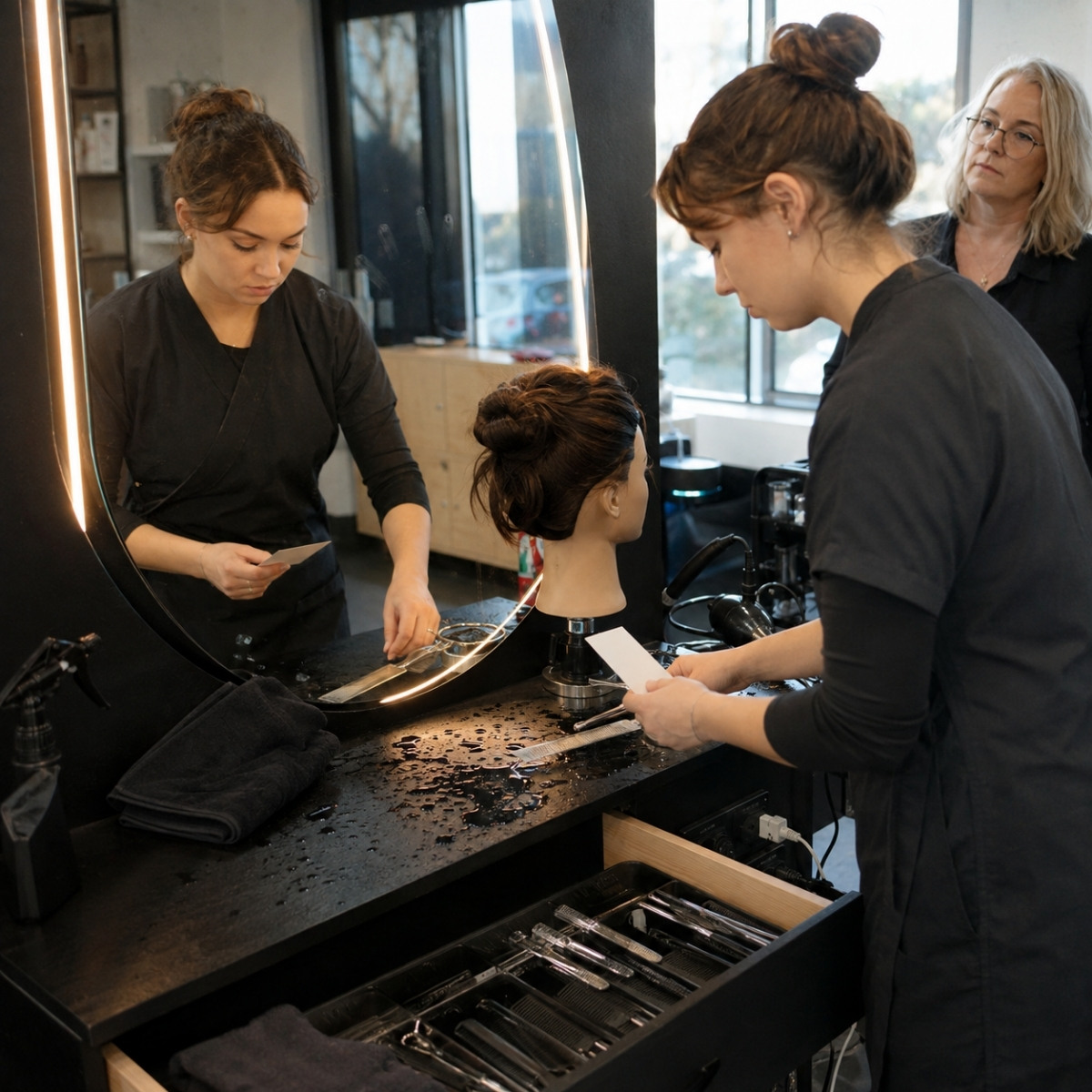
A salon desk displays an unmarked map, blank requirement cards, shears, combs, and a softly blurred mannequin head to represent state cosmetology rules.

State laws decide who can legally provide beauty services for pay. Since the United States does not use one single national cosmetology standard, cosmetology regulations by state can look very different depending on where you plan to work. Every state board sets its own rules for training, exams, license categories, and legal scope of practice.

These rules are not designed to judge your creativity. They are mainly there to protect public health and consumer safety. Boards want licensees to understand sanitation, infection control, chemical safety, skin anatomy, product handling, and the legal limits of the services they provide. Learning these rules early helps you avoid delays, fines, and confusion once you begin your career.

What State Boards Usually Require

When you compare cosmetology license requirements by state, you will usually see differences in minimum age, education background, school hours, exam structure, application fees, and criminal-history disclosure rules. Many states require applicants to be at least 16 or 17 years old, but the exact rule depends on the board.

For example, the Texas Department of Licensing and Regulation lists a 1,000-hour cosmetology operator course and a minimum application age of 17. The New York Department of State requires a 1,000-hour approved course plus written and practical examinations.

This is why a generic national checklist is not enough. Your licensing plan should begin with the exact rules in the state where you want to work. A strong beauty school can help you stay organized with age documentation, school records, exam applications, fee payments, and any required disclosures so you do not lose time during the licensing process.

Because cosmetology can cover several types of beauty services, students often ask where the legal boundaries are. If you want to understand your future service options, you can review this article on working as an esthetician, barber, or nail tech with a cosmetology license to see which services may fit under a standard cosmetology scope.

How Training Hours Shape Your Timeline

One of the biggest milestones for future licensees is completing the required school hours. The number of hours you need depends on your state board, your license type, and the approved curriculum in your area. Anyone comparing cosmetology school hours by state will quickly notice that nearby states can have very different requirements.

For example, New York requires 1,000 hours, California now lists 1,000 school hours for cosmetologists through the California Board of Barbering and Cosmetology, and Texas sets its cosmetology operator course at 1,000 hours. Meanwhile, states such as Ohio, Arkansas, and Georgia still commonly use a 1,500-hour pathway for standard cosmetology licensure, although the license title and testing process can vary.

Before enrolling, you should check the cosmetology hours for the state where you plan to build your career. Tracking these hours needed for cosmetology license by state rules helps you avoid paying for a program that does not satisfy your board’s requirements. Choosing a program that organizes the required hours clearly can help you graduate on schedule and move into the salon environment with fewer preventable delays.

A 2025 EdWorkingPaper from the Annenberg Institute at Brown University found that lowering cosmetology-hour requirements can raise completion, lower tuition, and expand enrollment among some groups, with no detectable decline in cosmetologist earnings. This does not guarantee that every student’s future income will stay the same, but it does suggest that very high hour requirements can increase the cost of entry without clearly improving earnings outcomes.

Preparing for the State Board Exam With Less Stress

After your required hours are completed and documented, the next major step is the official licensing exam. It is normal to feel nervous here, especially if you are more comfortable with hands-on styling than written testing. The goal is not to prove that you are the most creative stylist in the room. The board wants to confirm that you understand safety, sanitation, infection control, and the services covered by your license.

A cosmetology student reviews an unmarked study sheet while a sectioned mannequin head, clips, combs, and gloves sit on a salon workstation.

Building a Practical Study Plan

A useful cosmetology state board exam review should go beyond the services you practiced in class. The written or theory portion often focuses on chemical safety, sanitation, infection control, hair care, skin care, nail care, and cosmetology state law questions.

Using a cosmetology practice test free online can help you become familiar with the format before test day. A dedicated cosmetology written exam study guide can also help you review tool disinfection, product safety, chemical texturizing, infection control, and other topics that often appear on licensing exams. This preparation helps connect your hands-on skills with the safety knowledge expected of a licensed professional.

What to Know Before Test Day

  • Question Count: You should research how many questions are on the cosmetology state board exam in your specific state so you can pace yourself properly. Many states use national testing content, but the exact exam depends on the board and testing vendor. The NIC National Cosmetology Theory Examination, for example, contains 110 items, with 100 scored questions counted toward the final score.
  • Practical Exam Rules: Do not assume every state still requires the same hands-on practical test. California states that effective January 1, 2022, the practical exam is no longer required for all license types and candidates only need to pass the written exam. Other states may still require practical, written practical, theory, or state-law testing.
  • Exam Fees: You should include test costs in your career budget. Always check how much it costs to take the state board for cosmetology through your board or testing vendor because fees can vary depending on the exam type.
  • Scheduling Steps: Your school may help submit graduation paperwork, but you still need to understand how to apply for cosmetology state board exam testing and how to schedule cosmetology exam dates through official proctors such as PSI, Pearson VUE, Prov, or another approved vendor.
  • Difficulty Level: Students often ask how hard the cosmetology state board exam actually is. The exam is meant to measure baseline safety and competency, not artistic perfection. If you understand sanitation, infection control, chemical handling, and your license scope, you can approach the testing process with more confidence.

As you plan for exam fees and total school costs, remember that you may not have to pay for everything out of pocket. For help understanding funding options, review this guide on cosmetology school financial aid, FAFSA, grants, and 529 plans.

Keeping Your Cosmetology License Active

Earning your license is a major accomplishment, but keeping it active takes ongoing attention. If you step away from the salon, move, or simply miss a renewal deadline, your license status can become a serious problem. In many cases, an expired license can be fixed, but the steps depend entirely on your state board.

A working beauty professional organizes a clean salon workstation with a blank renewal folder, continuing education packet, sanitizer bottle, gloves, and disinfected tools.

How Renewal Timelines Usually Work

Every state sets its own renewal cycle. Some boards use a fixed calendar date, some use your birth month, and others base renewal on the date your license was issued. Some states renew every year, while others use two-year or longer cycles. If you are on the West Coast, you may wonder whether you can renew your CA cosmetology license online. Most state boards now offer digital portals to make renewal faster.

If you miss your deadline, you need to know how long after cosmetology license expires you can wait before penalties, status changes, or cancellation rules apply. Waiting too long can increase your costs and interrupt your ability to work legally. You should also know how to check if your cosmetology license is expired through the state registry so you can calculate renewal fees and restore your ability to work as quickly as possible.

When a License Becomes Too Expired for Simple Renewal

If a license is ignored for several years, the board may classify it as cancelled, expired beyond renewal, or null and void. The terminology depends on the state. Reinstatement can be stressful because each board has its own rules.

For example, anyone researching how to reinstate a null and void cosmetology license in Florida should know that the Florida Department of Business and Professional Regulation states that a license becomes null and void after a licensee fails to renew for two consecutive licensure cycles. A null and void license generally cannot be reinstated unless the applicant shows illness or economic hardship, and each application is reviewed case by case. This means you should not assume a late fee alone will solve a long-expired license.

Many states also require continuing education courses for cosmetology before renewal is approved. For instance, the Georgia State Board of Cosmetology and Barbers requires five hours of board-approved continuing education for renewal, including three hours in health and safety. These rules help reinforce sanitation, infection control, state law awareness, and safe professional practice.

Long-term occupational health research also shows why safety education matters in the salon environment. A study published in Occupational and Environmental Medicine found associations between hairdresser work and certain hormone-related outcomes, including higher odds of prebaseline hysterectomy and higher rates of incident endometriosis, while not finding notable associations with several cancers studied. This does not mean every stylist will experience the same outcome, but it does support the importance of ventilation, product awareness, protective habits, and careful chemical handling throughout a beauty career.

What Happens When You Move to Another State?

Beauty careers are not always tied to one location forever. You may move for family, a relationship, a better market, or a new professional opportunity. The challenge is that your license does not automatically become valid everywhere just because you completed school and passed an exam in one state.

Reciprocity, Endorsement, and Transfer Requirements

If you are moving, you need to research how to transfer cosmetology license to another state properly. This process often involves reciprocity or endorsement, but those terms do not always mean the same thing. Reciprocity usually means one board recognizes another state’s license or training standards. Endorsement usually means the new board reviews your active license, training hours, exams, and sometimes work history before deciding whether you qualify.

To avoid surprises, study the cosmetology license transfer from state to state requirements before you relocate. You may need to submit an application, pay a processing fee, and request official license verification from your original state board. If your original state required fewer school hours than your new state, you may also need additional testing, extra hours, a state-law exam, or documented work history.

Arkansas shows why the details matter. The Arkansas Department of Health explains that a person transferring hours from another state without holding a current out-of-state license must pass written and practical examinations to qualify for an Arkansas license. Florida uses a different structure. The Florida DBPR states that applicants who qualify for cosmetology licensure by endorsement do not have to take the Florida cosmetology examination, but they must hold a valid out-of-state cosmetology license and complete the required HIV/AIDS course.

Online Applications and the Compact Pathway

If you are asking whether cosmetology licenses transfer to other states easily, the honest answer is that it depends on the destination state. Some boards allow you to manage a cosmetology license transfer from state to state online, while others require more documentation or manual review. In some cases, you may submit a cosmetology license by reciprocity application through a digital portal.

Before signing a lease, accepting a salon position, or moving your client base, check the exact transfer rules for your target state. Understanding your license mobility also helps you evaluate the full range of licensed careers you can pursue under cosmetology, whether you want to work as a platform artist, editorial stylist, salon manager, or independent professional in a new city.

Legal and structural legislative analysis from the University of Missouri School of Law Scholarship Repository tracks the ongoing execution of the Multi-State Cosmetology Licensure Compact. The official Cosmetology Compact explains that the system is designed to create a multistate license pathway for eligible cosmetologists who live in compact member states and hold an active, unencumbered license. Once fully implemented, this structure should allow qualifying beauty professionals to practice across member state lines without applying for separate traditional reciprocity packages in each participating state.

However, the compact should not be described as automatic nationwide portability. It applies only to participating states, and eligibility still depends on the licensee’s home-state license, board rules, and implementation timeline. It is an important step toward better mobility, but you should still confirm whether your state has enacted the compact and whether multistate licenses are actively being issued before relying on it for relocation plans.

Build Your Career With Clear Licensing Support

Training hours, exam rules, renewal deadlines, and transfer requirements are easier to manage when your school helps you connect classroom learning with real-world beauty industry preparation. At Perimeter Beauty & Barber Institute, students train in an environment focused on helping future professionals develop the skills, knowledge, and confidence needed to enter the cosmetology field.

The school’s Master Cosmetologist program is designed for Georgia licensure and lists 1,500 required hours. Students can build hands-on experience in haircutting, coloring, perming, styling, manicures, pedicures, acrylic sets, lash and brow services, facials, waxing, and makeup application. The program also highlights salon business, client retention, resume writing, and job-seeking skills as part of career preparation.

Because the program is built around Georgia licensure preparation, your training can help you develop the practical, sanitation, and regulatory knowledge needed for the state board process. This kind of preparation matters because the beauty industry requires both creativity and legal responsibility.

Beyond technical training, Perimeter Beauty & Barber Institute supports career readiness through practical skill development, professional habits, and employment assistance resources. The school’s catalog notes that employment assistance may include posting positions related to its programs and hosting job fairs, although job placement is not guaranteed.

Starting a beauty career is not just about completing hours. It is also about choosing a training environment that helps you understand the professional expectations behind the license. If you are ready to learn more about enrollment, visit Enrollment and contact the school to discuss your next step.

Frequently Asked Questions

Can I offer cosmetology services from home without a license?

No. State regulations generally require a valid beauty license for professional cosmetology services, whether the work happens in a salon, home studio, mobile setup, or event location. Providing hair, nail, or skin services for compensation without the proper credential can lead to fines, disciplinary issues, misdemeanor exposure in some states, and possible complications with future license applications.

Why do some states combine barbering and cosmetology under one agency?

Barbering and cosmetology were historically regulated through separate structures in many places, with different license categories, school approvals, and testing rules. Some states now use combined barbering-and-cosmetology administration. Texas, for example, combined its Barbering and Cosmetology programs under TDLR through HB 1560, and the Texas Department of Licensing and Regulation now manages Barbering and Cosmetology under one program. This can help standardize health, safety, sanitation, establishment, and administrative rules, but it does not mean every state has merged its boards or erased the difference between barber and cosmetology licenses.

Do lower cosmetology-hour requirements automatically hurt service quality?

Not necessarily. A landmark econometric review hosted by San Jose State University found that more stringent licensing rules did not show a general positive association with higher consumer ratings for the beauty-service occupations studied. The study used Yelp ratings as a customer-satisfaction measure, so it should not be treated as a perfect measure of safety or technical quality. Still, it supports the idea that extremely high licensing burdens do not automatically translate into better customer-rated service.

To better understand how interstate career mobility is changing for beauty professionals, you can watch this overview of the Cosmetology Licensure Compact and State Board Rules. The video explains how the compact may simplify professional mobility while still depending on participating states and official implementation.
“`

Cosmetology School Financial Aid: FAFSA, Grants, 529 Plans, And More

Choosing a career in the beauty industry is a massive step toward building your own independence and letting your creativity shine. But looking over tuition sheets, kit fees, and equipment costs can bring on an immediate wave of stress. It is completely normal to worry about how you are going to afford a quality program, or if you will be stuck taking on high-interest debt before you even get to pick up a pair of professional shears.

The good news is that you do not always have to fund your entire training completely out of pocket or wipe out your savings on day one. Because professional beauty programs require structured technical hours to get you ready for state licensing, there may be legitimate financial systems, payment options, or outside resources that help reduce the pressure. If you are sitting there wondering if you even meet the baseline requirements to get your foot in the door, it helps to read through a realistic guide on cosmetology education requirements to understand the typical admissions criteria and student mindsets. Once you learn how federal aid, specialized grants, tax credits, private scholarships, and modern savings plans may work depending on the school and program, you can map out a safer strategy to pay for your education.

Key Takeaways

  • Title IV Status Must Be Verified: FAFSA-related federal funding may help with beauty school costs, but only when the specific institution and program participate in federal Title IV student aid programs. Do not assume accreditation, licensing, or school approval automatically means FAFSA eligibility. Always confirm the school’s current Federal School Code status and program eligibility directly before making plans around federal aid.
  • Look Past the Base Tuition: School budgets can quickly change once required tools and school-related fees are added. Make sure you plan for extra expenses like professional kits, textbooks, uniforms, registration fees, and state licensing-related costs.
  • Clock Hours Affect Your Progress: Many beauty programs track training through clock hours instead of traditional college credit semesters. Because of this, missed class time can slow down your progress, affect completion timelines, and create extra financial pressure.
  • Funding Rules Are Not Universal: State workforce programs, private beauty scholarships, VA benefits, 529 savings plans, tax credits, and payment plans can reduce out-of-pocket costs, but the rules vary by school, program, student status, and state regulations.

What Your Beauty School Budget Really Includes

Open cosmetology student kit with shears, combs, clips, mannequin head, calculator, textbooks, apron, and tuition cost breakdown on a classroom table.

Before we look at how to get financial aid for cosmetology school, we need to talk about how these programs actually structure their fees. A massive mistake prospective students make is looking strictly at the base tuition and assuming that is the final price tag. Trade school billing is uniquely broken down compared to standard universities. The real question you should be asking is not just how much tuition costs, but what your full education budget will actually include.

The truth is that the overall cosmetology school cost fluctuates based on your geographic location, how deep the curriculum is, the type of school, the program length, and what is bundled into the price. On a national level, the average cost for cosmetology school generally lands somewhere between $5,000 and $20,000, according to data from SoFi Financial Insights. If you are specifically hunting for a cosmetology school under 10k, your options are going to be mostly limited to regional vocational centers, short-term certificate tracks, community college options, or institutions located in smaller markets.

To figure out exactly how much tuition is for a cosmetology school, you have to look deeper than the baseline instructional rate. Many beauty schools require students to buy a mandatory student kit. This is not just a backpack with a few notebooks; it can be a professional collection of tools such as shears, styling irons, mannequins, sanitation supplies, and textbooks that you will use during training and may keep after graduation.

These student kits and learning materials can add a serious required expense to your bill. Data from a Renaissance Academie Cost Analysis shows one example where kits and textbooks were listed at about $2,498. Some schools bundle these items directly into your tuition, while others expect you to pay for them separately before classes even start. When you are mapping out how to pay for cosmetology school, always ask the admissions office directly whether the student kit, books, uniforms, registration, and state board prep materials are included in the advertised price or if they are independent, upfront costs.

You should also ask for the school’s complete cost of attendance or full cost breakdown. That number may include tuition, required fees, supplies, transportation, and licensing-related allowances. This matters because any aid, scholarship planning, or payment strategy should be based on the real total, not just the clean tuition number on a brochure.

FAFSA, Federal Aid, and Clock-Hour Programs

Beauty school student and advisor reviewing financial aid checklist, cost of attendance paperwork, calendar, calculator, and program planning documents at a desk.

The single most common question people have is whether they can use fafsa for cosmetology school. The answer is yes for some eligible schools and programs, but not for every beauty school. FAFSA-related aid only applies when the institution and the specific program participate in federal Title IV student aid programs. Keep in mind that accreditation or licensing by itself does not automatically mean a school accepts FAFSA. You need to verify the school’s active Federal School Code and current participation status through the U.S. Department of Education’s official Federal School Code Lists or by asking the school’s financial aid office directly.

When a cosmetology school with FAFSA approval is eligible for federal aid, submitting the application can help qualified students access Pell Grants, student loans, and other assistance. However, funding at a trade school can work differently than it does at a traditional four-year college. Standard universities often distribute aid by academic semesters or calendar terms. In contrast, many beauty programs measure academic progress using clock hours, which track the actual time students spend learning in class, practicing techniques, or completing required training activities.

Attending a cosmetology school with financial aid means funds may be distributed in specific installments tied directly to completed hours and instructional weeks rather than a simple calendar date. The Federal Student Aid Handbook explains that clock-hour payment periods depend on successful completion of required hours and weeks of instructional time. As highlighted in the Continental School of Beauty Financial Guides, beauty school aid is often released in chunks as students clear milestones. Because of this setup, skipping class does a lot more than just hurt your technical skills; it can delay your clock-hour completion, push back aid disbursements at eligible schools, and create a temporary unpaid balance until you catch up on your time.

Before depending on federal aid, ask four direct questions: Does this exact school currently participate in Title IV? Is this exact program aid-eligible? What Federal School Code should I use, if any? How are clock hours, payment periods, and attendance tracked? These answers protect you from building your budget around aid that may not apply.

Grants, Scholarships, and Military Education Benefits

If you want to graduate with the lowest amount of debt possible, your main focus should be finding financial aid for cosmetology school that you never have to pay back. At Title IV-eligible institutions, the main federal source of non-repayable assistance is the Federal Pell Grant, which is awarded based on financial need calculated from your FAFSA. For the 2026–27 award year, the maximum Federal Pell Grant scheduled award sits at $7,395, though the exact amount a student receives depends on individual eligibility, enrollment status, program structure, and federal rules.

Beyond federal help, it is smart to search for specialized grants for cosmetology school that are funded by private foundations and major corporate beauty brands. The American Association of Cosmetology Schools points out that non-profit groups like Beauty Changes Lives run seasonal scholarships that can help pay for tuition, tools, and supplies for qualifying students.

If you are balancing family responsibilities, look into targeted demographic resources. There may be cosmetology grants for single mothers, along with training vouchers for displaced workers, low-income adults, and career changers. These awards are not always explicitly labeled for beauty school. Many state workforce development boards, local community foundations, vocational rehabilitation agencies, and nonprofit career-training programs offer education vouchers for approved job-training paths.

For residents in certain states, local funding programs can make an important difference. For example, the Georgia Student Finance Commission offers the HOPE Career Grant for HOPE Grant-qualified students enrolled in selected high-demand fields, though you always need to verify that your exact program is on the active list. If you are checking out regional paths like Paul Mitchell The School Arkansas financial aid pathways, you should ask the local office about specific state workforce development funds or vocational rehabilitation options that might apply to you.

For those with a military background, you might be wondering does va pay for cosmetology school. Veterans and eligible dependents can often use GI Bill® educational benefits to fund approved trade school training. The VA GI Bill Comparison Tool notes that the Post-9/11 GI Bill can be used at colleges, universities, trade schools, apprenticeships, and for licensing or certification tests, including cosmetology license tests. To use these benefits for a beauty program, the school or program must be approved for VA benefits. Always connect directly with the school’s VA certifying official to confirm your specific tuition coverage, book allowances, licensing-test coverage, and monthly housing stipend details.

529 Savings, Tax Credits, and Self-Pay Options

If grants, scholarships, or benefits do not fully cover your balance, or if you do not qualify for need-based aid, you can bridge the gap with alternative financial tools. For instance, families frequently ask can 529 be used for cosmetology school. According to the Chase Investment Insights on 529 Rules, 529 funds can generally be used for vocational and trade school tuition, fees, books, supplies, and equipment. Federal rules also allow 529 plans to be used for qualified postsecondary credentialing expenses, which may include costs required to earn or maintain certain professional credentials.

But be careful with the phrase tax-free. While 529 withdrawals are generally tax-free at the federal level when used for qualified education expenses, state tax laws can differ. The experts at Saving for College note that some states define qualified expenses differently, so families should save receipts, match withdrawals to expenses in the same tax year, and double-check local state rules before paying for credentialing costs.

If you are trying to figure out how to pay for cosmetology school without financial aid entirely, do not assume you need the full lump sum on day one. A major source of anxiety for students is asking do you have to pay for cosmetology school upfront. Some beauty institutions offer internal monthly installment plans that break your remaining balance down across the length of your program. Some payment tracks may be interest-free, while others may carry administrative fees, late penalties, or withdrawal-balance rules. This can give you the flexibility to pay your way through classes out of pocket while keeping your regular job, but make sure to review the enrollment paperwork carefully before signing.

You can also reduce part of your out-of-pocket cost when tax season rolls around. You can potentially claim your cosmetology school expenses on taxes using the federal Lifetime Learning Credit if the school is an eligible educational institution and you meet IRS requirements. The IRS Lifetime Learning Credit covers 20% of the first $10,000 in qualified education expenses, up to a maximum of $2,000 per tax return. Because it is a non-refundable tax credit rather than a deduction, it reduces the actual tax you owe but will not trigger a refund check if your tax liability is already zero.

Be Careful With “Free Beauty School” Claims

Beauty student practicing haircut techniques on a mannequin head in a salon classroom with a payment calendar, notebook, checklist, brushes, and tools nearby.

While you are looking into your options, you are bound to see wild online ads or articles promising ways to get a cosmetology school for free. Please approach these headlines with a healthy dose of skepticism. Unaccredited online entities often use these claims as clickbait to collect your personal data, and they may hand out certificates that do not legally qualify you to take your state licensing exam.

In reality, achieving a genuine, zero-out-of-pocket beauty education usually means stacking multiple legitimate funding streams together. A student might pair a private scholarship with state workforce funding, VA benefits, vocational rehabilitation support, institutional aid, or a payment plan to reduce the final balance. At schools that are Title IV eligible, federal Pell Grants or federal loans may also be part of the plan. The right mix depends on your school, program approval, residency, income, student status, military background, scholarship deadlines, and state rules.

Instead of chasing unrealistic shortcuts, investing in high-quality, professional training is the safer route to a sustainable career. The beauty industry is showing steady demand. According to data from the U.S. Bureau of Labor Statistics, employment for barbers, hairstylists, and cosmetologists is projected to grow 5% from 2024 to 2034, which is faster than the average for all occupations.

The Boulevard 2026 Cosmetology Career Outlook highlights the wide range of career directions available after structured training, including salon styling, bridal work, beauty entrepreneurship, film production makeup, color specialization, and salon management. Because this path is so versatile, it is highly valuable to read up on whether you can work as an esthetician, barber, or nail tech with a cosmetology license to see how far your credentials can legally carry you under what the law actually says. Getting a proper foundation at a licensed beauty school helps you prepare for long-term career options within your state’s legal scope of practice. If you are still trying to figure out if this industry matches your personal goals, take a look at what specific careers fall under cosmetology to explore your licensed options.

Start Planning Your Beauty Career

Investing in your beauty education is about so much more than just paying tuition. It is about choosing a training path that helps turn your natural creativity into real professional skills. A hands-on learning environment can make a major difference when you are building technical confidence, preparing for licensing requirements, and figuring out where you want your beauty career to go next.

If you want to see how training at Perimeter Beauty & Barber Institute can fit into your life and your personal budget, head over to our Enrollment page to see how the process works. You can also use the contact form at the bottom of this page to send your questions, connect with an advisor, and take the next step toward your future in the beauty industry.

Frequently Asked Questions

Can I hold down a full-time job while going to beauty school?

Yes, but it really comes down to your stamina and the specific schedules the school offers. Many institutions provide flexible training tracks, including daytime, evening, or weekend options, which can let you keep working while you rack up your state-required hours. Just keep in mind that because clock-hour programs track your attendance closely, you need to choose a schedule you can realistically stick to without falling behind on your time.

What happens to my financial plan if I have to take a leave of absence?

Since many trade schools live and die by clock hours, taking an official leave of absence can pause your academic progress and affect your completion timeline. At schools that participate in federal aid, it may also affect future financial aid disbursements. If you end up withdrawing permanently, the school may calculate how much tuition or aid was earned based on the portion of the payment period or program you completed. If you leave early, you might wind up owing a balance directly to the school or having to resolve unearned aid, depending on the school’s policies and your funding situation.

Will aid or savings plans pay for my state licensing exam fees?

It can, but you need to check how those costs are handled. The Federal Student Aid Handbook explains that for programs requiring professional licensure, the total cost of attendance budget must include an allowance for things like licensing exam fees and application costs. However, timing can be tricky because some fees are due while you are still enrolled, and schools handle documentation differently. You can also look into using 529 funds for professional credentialing costs if they meet state and federal rules.

Are beauty school scholarships impossible to win?

Not at all. While large national scholarships get a lot of entries, some local and industry-specific awards receive fewer applications than students expect because people assume they will not win and skip applying entirely. Private beauty organizations often care about your creative drive, work ethic, financial need, community goals, and career plans rather than just looking at old high school transcripts. Putting real effort into your application essays can give you a stronger chance than you might think.

Beauty School Instructor Salary Breakdown: Pay, Benefits, and Job Options

Hybrid beauty instructor home office setup with laptop video call screen, ring light, lesson notes, mannequin head, notebook, lash mapping papers, and beauty tools.If you work as a licensed beauty professional, you know how demanding the salon floor can be on your body. Spending long hours on your feet, dealing with repetitive motion strain, and breathing in chemical fumes can drain the energy out of even the most dedicated stylists. Government safety agencies often point out these physical risks. For instance, the NIOSH warns that nail specialists can face chemical exposure, repetitive motions, awkward positions, and strain on muscles, joints, and ligaments. At the same time, OSHA warns that some hair-smoothing products may contain or release formaldehyde during salon use.

Aside from physical exhaustion, there is also the anxiety of a fluctuating income. When you rely completely on commission splits or booth rentals, a slow season or unexpected client cancellations can deeply impact your paycheck. The constant pressure to market yourself and build a clientele base from scratch never really stops.

Moving from the styling chair into a teaching position allows you to use your hard-earned experience in a setting that offers more reliable earnings, a clearer professional structure, and genuine authority. Shifting into a classroom is one of the smartest ways to protect your long-term career longevity. If you want to see what a regular day looks like in this position, you can check out our overview explaining the meaning, duties, and career paths of a beauty instructor to map out your upcoming journey.

Taking this path lets you give your body a break while building a more stable professional foundation. Let’s look closely at the real income statistics, hiring trends, and payment models currently shaping the training sector.

Key Takeaways

  • Financial Stability: Moving into education can trade volatile commission structures for regular hourly pay or fixed salaries, especially in full-time school roles.
  • Competitive Compensation: Federal labor data from the U.S. Bureau of Labor Statistics shows that career and technical education teachers earned a median annual wage of $62,910 in May 2024, with postsecondary teachers at $61,490 and secondary teachers at $63,910.
  • Specialized Market Drivers: The growth of advanced aesthetic services and state-by-state scope-of-practice rules can increase the value of instructors who understand safety, compliance, and service boundaries.
  • Reduced Physical Toll: Digital platforms, online theory portals, and administrative software can help reduce paperwork and support hybrid theory instruction, although hands-on clinic supervision usually remains in person.

How Much Do Beauty School Instructors Make?

Beauty school instructor desk with weekly teaching schedule, payroll summary, calculator, lesson handouts, notebook, coffee mug, and closed laptop in a training room.

When you look into what a training specialist earns, the data highlights a level of baseline financial safety that regular salons do not always guarantee. A standard beauty school payroll can provide a more stable instructor wage that is not directly tied to how many people walk through the door or book an appointment that day.

Your exact paycheck will depend on the type of facility, your local area, your specific background, and whether you teach full-time, part-time, or as a temporary adjunct teacher. A private beauty academy, a local community college, a regional trade school, or a corporate product brand will all manage their budgets differently. Even so, trading client-by-client pay for a set teaching schedule can bring a much smoother financial rhythm to your life.

Calculating an annual beauty school instructor salary means looking at the bigger picture beyond a basic hourly rate. Unlike independent salon workers, many school educators are hired as employees. Full-time positions may include paid time off, health coverage, retirement contributions, or other benefits, though these depend on the employer and employment status.

Understanding Your Total Compensation Package

In a traditional salon, an empty chair often means you are not earning anything. In an academy environment, instructors are usually paid for scheduled teaching, student clinic supervision, lesson planning, grading, and administrative work. This regular structure can reduce the daily stress of unpaid gaps between clients. Completing your beauty instructor training through an approved academy prepares you with the classroom management, curriculum mapping, and mentorship skills that top campuses value.

According to the U.S. Bureau of Labor Statistics Occupational Outlook Handbook, beauty educators are commonly discussed under the general classification of career and technical education teachers. In May 2024, the median annual wage for these vocational educators was $62,910. Instructors working in postsecondary settings saw a median income of $61,490, while those teaching secondary students earned a median of $63,910. The top 10% of high earners in this vocational field brought home more than $101,510 per year.

You should view these broad numbers as a helpful baseline. Federal reports do not separate every single niche beauty title into its own distinct slot, and BLS projects overall employment of career and technical education teachers to decline 1% from 2024 to 2034. This does not mean beauty schools stop hiring; BLS still expects about 15,900 openings each year across the broader CTE teacher category, mostly from workers transferring occupations or leaving the labor force. Strong opportunities may also appear as veteran teachers retire, private academies expand, and schools look for specialists who possess strong compliance and technical backgrounds.

To maximize your starting pay grade within these structures, you must first navigate the certification process required by your state or local board. To help you map out this transition step-by-step, we have put together a comprehensive guide detailing how to become a beauty instructor, which covers the essential training milestones and foundational prerequisites.

Breaking Down Cosmetology Instructor Income and Pay Structures

Your starting cosmetology instructor salary can change quite a bit based on your local area, the size of the school, and state licensing laws. However, national occupational benchmarks show that vocational education can offer a dependable income path if you want to leave tips, slow seasons, and marketing pressure behind.

If you are researching the average salary for cosmetology instructor roles nearby, or wondering how much do cosmetology instructors make per hour, you have to look at the institutional style. Multi-campus private academies may have structured pay scales, annual reviews, and clear paths for internal promotions. Smaller family-owned schools might offer simpler cosmetology instructor pay, while public technical colleges generally tie your cosmetology instructor income to educational step systems.

The underlying numbers show that the type of industry affects your wallet too. In May 2024, career and technical education teachers working in private technical and trade schools had a median annual wage of $58,860, while those in state, local, and private junior colleges, colleges, universities, and professional schools had a median annual wage of $63,920. These stats are useful for setting realistic goals, but your actual job offer will reflect your personal license history, teaching background, technical specialty, and whether the role includes benefits.

Esthetics and Nail Educator Salaries

The rapid growth of targeted niches across the beauty industry has created specialized training tracks that can shape compensation differently from general hair programs. Finding your perfect fit depends on where you want to focus. General cosmetology classes offer a wide variety of open job listings, while specialized skin and nail programs can create strong opportunities for focused experts.

Clean beauty education workstation with magnifying lamp, facial sponges, esthetics bowls, nail practice hand, gel polish bottles, gloves, brushes, and sanitation tray.

Advanced Skin Care Instruction

The massive public interest in non-invasive skincare and advanced treatments has made deep skin science knowledge highly valuable to modern academies. While it does not mean every single skin care teacher automatically out-earns a hair instructor, having deep experience in advanced treatments can strengthen your resume when a campus needs someone to teach device safety, sanitation rules, contraindications, and treatment boundaries.

When you look at the typical esthetician instructor salary or general esthetics instructor salary, the strongest compensation packages often go to professionals who can connect practical skin care techniques with strict safety compliance. Teachers in this lane guide students through microdermabrasion methods, detailed skin analysis, product chemistry, sanitation, contraindications, and protecting the skin’s delicate lipid barrier, which is the vital moisture layer that keeps irritants out.

This specific demand matches global business trends. Financial studies from Fortune Business Insights show that the global medical aesthetics market was valued at $28.49 billion in 2025 and is projected to climb from $31.96 billion in 2026 to $89.59 billion by 2034. Because services such as lasers, injectables, deeper chemical peels, and other medical-aesthetic treatments are regulated differently by state, schools may place more value on educators who understand safety boundaries, documentation, and when medical supervision may be required. The American Med Spa Association emphasizes that state regulations help determine who can operate a laser, who can inject fillers, and who can own or operate a med spa, making safety-first instruction especially important.

Precision Nail Care Education

Focusing on hand and foot care offers a strong option for nail artists who want to avoid the physical toll of back-to-back appointments. Whether you review a specialized nail instructor salary, an accurate nail tech instructor salary, or a general nail teacher salary, leading a classroom offers a completely different physical pace than sitting hunched over a manicure desk for long shifts.

Corporate or regional nail educator jobs with product manufacturers may bring unique payment structures compared to standard school settings, sometimes including travel, product training, bonuses, commissions, or brand education responsibilities. Instructors in this field spend their time breaking down anatomy, product chemistry, infection control, technique refinement, and vital safety habits like proper salon ventilation and chemical handling. NIOSH notes that nail technicians can be exposed to dozens of chemicals at work, and that repetitive motions and awkward positions can strain the body, which is why safety-focused instruction is so valuable to modern schools.

Because these hands-on skills are incredibly precise, joining a high-quality preparation program is essential. You can look through our breakdown of beauty instructor training to see exactly how future educators learn to manage student dynamics and build lesson plans before teaching a live class.

Navigating the Job Market: Positions, Hiring, and Remote Roles

When searching through local cosmetology instructor jobs, you will see openings across private academies, corporate school networks, vocational high schools, continuing education providers, and brand education teams. Securing steady cosmetology instructor employment starts with matching your active license and salon background to what the school needs. A new cosmetology instructor vacancy can appear because of program growth, staff turnover, retirement, schedule changes, or the need for a professional who specializes in modern hair textures and trends.

The employment market is just as diverse across other beauty specialties:

  • Openings for esthetics instructor jobs favor skin specialists who excel at teaching sanitation, electrical modalities, client safety, and facial analysis within local legal limits.
  • Regional esthetician instructor jobs often focus on managing the spa floor, guiding client consultations, maintaining records, and supporting compliance awareness.
  • Available nail instructor jobs range from traditional campus schedules to weekend workshops and specialized nail educator jobs for product manufacturers or distributors.
  • Traditional hair instructor jobs are shifting as modern schools place stronger emphasis on textured hair, inclusive consultation, and updated technical training. Major learning tools, like the Milady Standard Cosmetology framework, now focus heavily on diverse hair types while providing targeted test-prep systems aligned with national licensing exams.

Can You Teach Beauty Culture From Home?


Finding true online cosmetology instructor jobs where you stay entirely at home is still limited. This is because checking hand positions, watching live sanitation habits, supervising the clinic floor, and assessing physical skill milestones usually requires an in-person eye. However, hybrid learning models are becoming more realistic for the book-heavy parts of the curriculum.

You may be able to lead digital lectures covering anatomy, salon chemistry, infection control, business marketing, state board test prep, and professional development. These hybrid or remote responsibilities may also involve checking online assignments, reviewing student portfolios, updating digital lesson modules, and tracking class attendance from a home office.

According to the AACS / Pivot Point Technology and Beauty Schools white paper, beauty campuses are exploring digital tools such as AI-supported tutoring, automated administrative systems, digital learning platforms, and compliance-focused technology. These tools can reduce administrative workload and help instructors spend more time on mentorship and coaching. Still, they are meant to support your teaching, not replace the real-world coaching and clinic floor supervision that students need.

Even with these digital upgrades, keeping your credentials current is a strict legal requirement. To keep your career moving forward, take a look at our complete beauty instructor license and state board guide for clear directions on tracking local rules and staying on top of your deadlines.

Summary: Designing Your Career Move

Stepping into education does not mean walking away from your passion—it means growing it. It is a smart, intentional move to leave salon burnout behind for a more reliable professional track. By entering the classroom, you protect your physical health, gain predictable earnings, and help shape the next wave of industry talent.

Your long-term success depends on where you build your teaching foundation. Finding a campus that emphasizes modern teaching setups, regulatory compliance, and excellent instructor programs ensures your transition is smooth, rewarding, and built to last.

Ready to Step Into Your Legacy?

Making the move from a hectic salon environment to a stable, respected teaching role requires the right educational partner. At Perimeter Beauty and Barber Institute, we focus on helping beauty professionals protect their physical longevity, enjoy real income structure, and become respected industry mentors. We believe in building true leaders who are ready to guide the future of beauty culture.

Our approach is built around setting you up for real classroom success. We combine practical beauty expertise with modern school workflows, helping you gain the curriculum design and student leadership traits that strong academies look for. Whether you want to focus on esthetician training, precision nail techniques, general cosmetology pathways, or barbering education, our team provides the tools, community, and support to elevate your career.

You have spent years perfecting your skills behind the chair—now you can share that incredible knowledge without wearing down your body. We would love to show you what our experienced educational community can do for your future.

Take the first step toward a rewarding, sustainable career in beauty education. Find out more about how to get started on our Enrollment page, and feel free to fill out the quick contact form we leave right below this article to chat directly with our friendly admissions team.

Frequently Asked Questions

Do I need to give up my salon clients if I take an instructor job?

Not at all. A lot of educators build a hybrid schedule by teaching at an academy during the week while keeping their favorite clients on weekends or evenings. This balance can give you the stability of scheduled teaching income while preserving your creative outlet and supplementary salon work. The right setup depends on your school schedule, employer policies, state rules, and personal workload.

What is the difference between a school instructor and a brand educator?

School instructors teach a set curriculum designed to prepare students for official licensing exams and state board requirements. Brand educators work directly for product manufacturers, distributors, or beauty corporations, traveling to different salons, schools, or trade events to teach licensed pros how to use specific lines, tools, techniques, and advanced styling trends.

How long does it take to get certified to teach beauty courses?

The timeframe depends completely on your local state board. Some areas let you qualify for teacher credentials based partly on your active years of salon work, while other states require you to finish a specific instructor program focused on lesson planning, educational psychology, test design, student supervision, and classroom management. Always check your local state board rules before signing up for classes.

Beauty Instructor License Requirements: Exams, Online Training, State Board Rules, and Renewal

For years, many passionate stylists and beauty technicians have dedicated their entire physical energy to working behind the chair. While building a loyal client base and mastering advanced techniques is deeply rewarding, standing on your feet for ten hours a day eventually takes a toll on your body. If you are starting to crave steadier hours, a more predictable professional schedule, and a way to protect your long-term health without leaving the beauty world behind, transitioning into education might be your perfect next step. Reclaiming your schedule and elevating your status as an expert leader begins with understanding your state’s current instructor qualifications, and this comprehensive guide breaks down the preparation strategies and state board procedures you need to know.

Key Takeaways

  • Career Evolution: Moving into an instructor role can preserve your physical longevity while establishing you as an industry authority with steadier hours and more predictable structures.
  • Curriculum Trends: Modern beauty classrooms look beyond basic service techniques to focus heavily on salon business strategy, digital client management, skin and scalp health, and sanitation.
  • Flexible Schooling: Depending on your state board rules, instructor training programs may offer hybrid options, allowing you to study theory online while completing supervised teaching hours in person.
  • Testing Strategy: Overcoming testing anxiety requires a structured game plan using a dedicated cosmetology instructor study guide, timed simulations, and state-specific Candidate Information Bulletins.

Defining the Modern Classroom: What is a Beauty Educator?

Before diving into the paperwork, it helps to understand how different states categorize this professional milestone. If you specialize in comprehensive hair, skin, and nail care, you may pursue a cosmetology instructor license in states that still issue one. For those working in specialized beauty sectors, you might instead aim for an esthetics instructor license, a nail instructor license, or a natural hair instructor license.

In some jurisdictions, the state board uses broader terminology to classify teachers who manage the school floor. For instance, you may see the role officially designated as a beauty culture instructor, cosmetology teacher, educator, or approved instructor. In other states, such as Texas, the separate instructor license has been removed, but a licensed school must still verify that the teacher holds the appropriate practitioner license for the services they teach, according to the Texas Department of Licensing and Regulation. Regardless of the specific title on your future certificate or employment file, the core mission remains the same: you are transitioning from executing services to teaching the theory, safety, communication, and mechanics behind them.

To help you map out where this credential can take you, it is essential to understand what day-to-day life looks like in a modern academy. I recommend checking out this breakdown on the meaning, duties, and career paths for beauty instructors to see the reality of the role. Having proper training at this stage ensures that you can communicate complex concepts to a room full of eager beginners, not just demonstrate them with your own hands.

Setting the Foundation: Prerequisite Requirements and Education

Open beauty instructor lesson plan notebook, instructor training checklist, license card, combs, clips, towel, pens, and mannequin head arranged on a salon classroom desk.

Most states require a clear baseline of hands-on experience, active licensure, and formal schooling before you can apply for an instructional credential. However, the rules are not identical nationwide. Some states still issue separate instructor licenses, while others place more responsibility on the school to verify teacher qualifications. You cannot assume that raw talent alone is enough; you must prove your technical competence, maintain the correct practitioner license, and understand your legal scope of practice – the legally defined boundaries of what a professional can and cannot do safely for a client.

The Baseline Prerequisites

To map out your journey, you need to understand the structural cosmetology instructor requirements set by your local regulatory board. In many states, the first requirement is an active practitioner license in your field, such as a cosmetologist, esthetician, or nail technician license. From there, your state may require a specific instructor-training program, a certain number of teaching hours, recent salon experience, an exam, or a combination of those elements.

For a step-by-step look at these foundational benchmarks, I highly encourage reading through our detailed checklist on how to become a beauty instructor, which covers standard state prerequisites. Just remember that standard does not mean universal. Before paying tuition, always confirm that the program you choose is recognized by the state where you plan to teach.

Navigating the Classroom Hours

Once you clear the initial work requirements, you may need to complete targeted cosmetology instructor education requirements. This means enrolling in a specialized cosmetology instructor training program or, if your passion is specialized skin wellness, reviewing the esthetics instructor license requirements and matching courses for your state.

Shallow career guides often claim that beauty school teaching is simply a low-paying fallback role. However, current salary data shows a more nuanced picture. The ACTE Career Center lists the national average salary for cosmetology instructors at $52,096 per year, with the top 10% earning around $93,600. Salary.com reports a similar national average of about $50,872 as of June 1, 2026. These numbers do not guarantee a specific outcome, because pay still depends on location, employer type, full-time or part-time status, benefits, and your teaching specialty, but they do show that education can be a serious professional path rather than a last resort.

Furthermore, recent industry discussion from sources such as ProBeauty AI points to stronger demand for beauty professionals who understand business tools, digital branding, client management, automation, personalization, and modern salon operations. Your real-world salon experience is highly valuable to modern institutions because it gives students a practical bridge between classroom theory and the realities of client service, booking, retention, retail, and self-employment. Rather than teaching you how to perform a facial or cut hair from scratch, an approved cosmetology instructor course focuses on the mechanics of teaching. You will study classroom management, lesson planning, student evaluation methods, clinic supervision, and how to explain technical services to different learning styles. Enrolling in the right beauty school for this phase changes your long-term success, because strong academies teach you how to turn professional instinct into repeatable instruction.

The Digital Transition: Can You Train Online?

If you are working full-time at a salon, the thought of giving up your current daily income to sit in a physical classroom all day can feel impossible. This financial pressure leads many professionals to ask: can I get my cosmetology instructor license online?

The answer depends entirely on your state’s current regulations and the approval status of the school. Some regions and institutions may allow a hybrid model where you complete theory-based topics online, such as learning styles, academic grading, student assessment, or lesson planning. The same idea may apply to specialized fields, where an online esthetics instructor course or digital online nail instructor curriculum can reduce commuting time.

However, you should not assume that an online course alone will qualify you for licensure. Instructor preparation often includes supervised teaching, clinic-floor management, student-client consultation oversight, sanitation supervision, and live demonstration skills that are difficult to verify entirely through a screen. For example, the Washington State Department of Licensing requires instructor candidates to hold a current qualifying license, graduate from a state-licensed school with at least 500 instructor hours, and pass state-approved written and practical examinations. That kind of requirement shows why board-approved structure matters more than convenience.

Before enrolling in any cosmetology instructor course online, ask four practical questions: Is the school approved by the state board? Do online theory hours count toward the instructor requirement? Are supervised teaching hours required in person? Will the program qualify you for the correct state exam or employment pathway? This blending of online convenience and in-person practice is often what builds real confidence before exam day.

Conquering the State Board: Exams and Preparation Strategies

Beauty professional studying for a cosmetology instructor practice test with a timer, highlighted study guide, pencil, coffee cup, mannequin hand, and mannequin head on a desk.

The biggest hurdle for many veteran beauty professionals is testing anxiety. If you have been out of a school environment for years, facing a multi-part exam can trigger intense imposter syndrome. Understanding the exact layout of the test is the best way to quiet that inner anxiety.

In states that still require a formal instructor exam, the licensing process may culminate in one or more state board cosmetology instructor exams. The exact format depends on your state and testing vendor, but it often includes the following areas:

  • The Theory Exam: A computer-based, multiple-choice cosmetology instructor written exam. This section may test your knowledge of educational psychology, lesson planning, student evaluation, safety protocols, state law, infection control, and curriculum design. The same structure may apply to specialized fields, such as the esthetics instructor exam or nail instructor exam.
  • The Practical or Teaching Demonstration Exam: In states that require it, this portion evaluates your teaching mechanics. A typical cosmetology instructor practical exam may ask you to submit a formal lesson plan, deliver a short lecture, explain safety steps, demonstrate instructional control, and show that you can guide students safely. You are not only being judged on whether you can perform a service; you are being judged on whether you can teach it clearly, legally, and safely.

To understand exactly how these academic skills are built, I suggest reading about what you learn in a beauty instructor training program before you begin your test preparation. Once you know what to expect from the curriculum, you can follow a structured preparation sequence to improve your chances of passing.

First, download the current testing packet from your state’s official testing vendor. PSI, for example, tells test takers to use official Test Taker Guides and Candidate Information Bulletins for exam preparation, while the NIC National Instructor Theory Examination bulletin explains that candidates should visit the official exam provider or NIC website for the most current bulletin before testing. These documents matter because they can outline exam categories, timing, reference materials, allowed supplies, identification rules, fees, retake procedures, and required safety steps.

Second, dedicate time to a formal cosmetology instructor study guide. Use a digital cosmetology instructor practice test to familiarize yourself with the phrasing of multiple-choice questions, aiming for a consistent passing score above 80 percent before you schedule the real exam.

Third, sit down for a complete cosmetology instructor state board practice test under timed, distraction-free conditions. This trains your brain to handle the pacing of the written portion without panicking. If your state requires a teaching demonstration, practice your lesson out loud in front of another licensed professional and ask them to watch for clarity, pacing, sanitation language, and whether your student instructions are easy to follow.

Finally, gather your graduation certificates, current practitioner license information, proof of work history when required, completed official cosmetology instructor application, and your state’s registration fee before locking in your testing date.

State-by-State Breakdown: Navigating Regional Rules

Because there is no single national beauty teaching credential, you must follow the precise laws of the state where you intend to work. The safest way to approach this is to treat each state as its own pathway rather than assuming one license model applies everywhere.

For example, a cosmetology instructor license in Georgia follows a structured instructor pathway. Georgia’s PSI documentation lists 750 school hours for Master Cosmetology Instructor and Hair Designer Instructor pathways, 500 school hours for Esthetician Instructor, and 250 school hours for Nail Technician Instructor, along with current license and work-experience requirements for the relevant field. This makes Georgia a strong example of a state where formal instructor training hours still matter.

In North Carolina, earning your cosmetology instructor license NC also requires careful category matching. The North Carolina Board of Cosmetic Art Examiners lists teacher requirements of 800 hours for cosmetology, 650 hours for esthetics, 320 hours for manicuring, and 320 hours for natural hair care in an approved teacher program, or proof of one year of full-time work in a cosmetic art shop immediately prior to application. Applicants must also hold the correct current license, meet education requirements, and pass the state board examination with the required score.

If you look at a cosmetology instructor license in Texas, the rule is very different. The Texas Department of Licensing and Regulation states that beginning September 1, 2021, an instructor license is not required to teach barbering or cosmetology in a licensed school. A licensed school may employ a teacher who holds the appropriate TDLR license for the acts they will teach, and the school may set additional hiring qualifications. This means Texas no longer follows the older 500- to 750-hour instructor-license model.

California is another state where you should avoid assuming there is a separate instructor license pathway. The California Board of Barbering and Cosmetology publishes training-hour requirements for practitioner licensing categories such as cosmetologist, barber, esthetician, electrologist, hairstylist, and manicurist, but it does not present a separate cosmetology instructor license pathway in the same way states like Georgia or Washington do. Career guidance for cosmetology teacher training in California commonly notes that schools generally expect a current specialty license, even when a separate instructor certification is not required by the state.

Moving to the Midwest, a cosmetology instructor license in Illinois has a more traditional teacher-training structure. Illinois administrative rules allow applicants to complete either 500 hours of cosmetology teacher training with two years of practical licensed experience within the five years before application, or 1,000 hours of cosmetology teacher training in an approved school, according to Illinois Administrative Code Section 1175.405.

Western states show similar variation. A Washington state cosmetology instructor license requires a current qualifying Washington practitioner license before enrolling, graduation from a state-licensed school with at least 500 instructor hours, and passing state-approved practical and written exams, according to the Washington State Department of Licensing. In Utah, the exam pathway is handled through the Division of Professional Licensing and its approved exam provider, so candidates should review current Utah cosmetology exam information and the current Utah candidate bulletin before scheduling.

Finally, salary and renewal expectations also vary by state. The ACTE Career Center lists Wisconsin, California, and North Carolina among stronger-paying states for cosmetology instructors, but salary datasets differ, and local employer demand can change quickly. Treat salary rankings as a market signal, not a guarantee. Always cross-reference your training path, renewal cycle, exam steps, and fee schedule with your local regulatory board before investing in tuition.

Keeping Your Credentials Active: Renewal and Continuing Education

Beauty educator reviewing continuing education materials on a laptop with a license renewal checklist, handwritten notes, folded towel, salon tools, plant, and desk lamp.

Earning your certificate is a major milestone, but maintaining it requires ongoing effort. To keep your classroom doors open, you must track your renewal cycle closely. Many states require beauty educators, practitioners, or both to complete continuing education units, often abbreviated as CEUs, before renewal. However, CE rules are not universal. Some states require instructor-specific continuing education, some require CE for the underlying practitioner license, and some do not require CE for certain beauty credentials at all.

This is why you should treat renewal as a state-specific compliance habit rather than a generic national checklist. When your renewal window opens, check your board’s official website for the current renewal fee, CE hour requirement, license expiration date, late-renewal penalty, and whether your CE provider must be state-approved. Knowing the exact fee to renew a cosmetology instructor license ahead of time allows you to keep your business records organized without any lapses in your legal right to teach.

Our curriculum guidance mirrors a broader trend toward more scientific, wellness-aware, and client-education-focused training. According to America’s Beauty Show, hair trends are increasingly balancing self-expression with healthy hair, wellness, and sustainability. Similarly, Rizzieri Aveda School notes that skin and scalp health are shaping modern service demand, with clients arriving more informed and expecting providers to understand how underlying conditions affect results.

For instructors, the real lesson is not simply to name trends. It is to translate trends into teachable systems. Students need to learn how to screen for contraindications, explain product ingredients in plain language, protect the skin barrier, discuss scalp health responsibly, follow sanitation protocols, document client consultations, and know when a client concern belongs with a medical professional instead of a salon service. Continuing education is no longer just a legal hurdle; it is your tool for maintaining professional credibility in an industry driven by consumer research, social media education, and higher expectations for safety.

Fortunately, balancing this maintenance with a busy teaching schedule can be manageable when your state allows online CE. Many approved CE providers offer digital cosmetology instructor continuing education classes, making it easier to finish your hours during school breaks or evenings. Just make sure the course is accepted by your board before you pay for it.

Frequently Asked Questions

Can I teach out of state if I move?

Licensure does not automatically transfer across state lines. If you hold credentials in one state but move to another, you may need to apply for licensure by reciprocity, endorsement, or a new state-specific pathway. The new state board will review your original schooling hours, work history, exams, and license standing to determine whether you meet their local standards or whether you need additional training or testing.

What happens if my practitioner license expires but my instructor license is active?

In many jurisdictions, your teaching authority depends on your underlying practitioner license. If your cosmetology, skin, barbering, or nail license lapses, you may lose the legal ability to teach that subject until the practitioner license is restored. This is especially important in states that no longer issue separate instructor licenses, because the practitioner license may be the primary credential your school must verify.

How much does it cost to renew an educator license?

The processing cost changes depending on your location. When planning your career budget, look up the specific fee to renew a cosmetology instructor license on your state board’s official website, as these rates are updated regularly. Also check whether the renewal applies to a separate instructor license, your practitioner license, or both.

Do I need a separate certification for nails or skin if I have a cosmetology instructor license?

Generally, a comprehensive cosmetology instructor credential may permit you to teach subjects covered under the broad cosmetology curriculum, such as hair, skin, and nails. However, the exact teaching scope depends on state law, school approval, and the license category you hold. A specialized esthetics instructor certification or nail instructor certification usually restricts you to teaching within that specific program. If you plan to teach across multiple departments, confirm the scope with your board and your school before accepting the role.

Ready to Step Into Your Legacy?

Making the transition from working behind a chair to guiding a dynamic classroom is an incredible milestone. It is a chance to preserve your health, build a predictable work schedule, and directly shape the standard of the entire beauty workforce. You already have the real-world wisdom and technical skills; the next phase is simply refining how you deliver that knowledge to the next generation of salon and shop professionals.

Preparing for this career step is much easier when you train in an environment that understands modern industry standards and professional classroom dynamics. Perimeter Beauty & Barber Institute lists instructor training among its program options, and future educators should review current admissions requirements carefully, including the active Georgia license requirements that apply to the instructor-training pathway.

If you are ready to explore your next professional steps, you can find out more details on our Enrollment page. I always encourage future educators to visit our space, meet the team, and get a feel for how we structure our training environment. Please feel free to drop your details into the contact form we leave at the end of this article – our advisors are always ready to answer your questions and help you figure out the best timeline for your career shift.

Beauty Instructor Training: How Salon Pros Learn to Lead the Classroom

Many seasoned professionals eventually realize that working behind a styling chair, manicure table, or skin treatment bed takes a massive toll on the body. Spending years perfecting chemical mixtures, mastering technical tools, and managing different client personalities builds incredible skill, but it also highlights a structural limit. When physical fatigue sets in, transitioning from daily service work into an educational role becomes a clear path forward for experienced stylists, estheticians, and nail technicians.

However, taking that leap can bring up feelings of doubt. You might feel fully confident performing an intricate skin treatment or a complex color service, yet feel completely unprepared to guide a full classroom of new students.

That uncertainty usually comes from looking at education the wrong way. True instructional work is not just a basic extension of performing a service. Knowing how to execute a technique requires a completely different approach than knowing how to break down and explain that technique to a beginner. Entering a professional beauty instructor school is not about re-testing your practical abilities. Instead, it serves as a development space to turn your hands-on background into structured teaching skills.

Key Takeaways

  • Methodology Focus: Training does not repeat basic salon work. The coursework centers on the core principles of lesson design and structured knowledge transfer.
  • Classroom Communication: Studies focus heavily on presentation delivery, time management, student assessment, and understanding diverse learning habits to build public speaking confidence.
  • Digital Evolution: Programs prepare future educators to manage modern training tools, including learning management platforms and online theory delivery systems where approved.
  • Regulatory Standards: Grading requirements and studies emphasize compliance, including state guidelines, hourly tracking, and keeping lessons within legal bounds.

Learning How to Teach, Not How to Style

Male beauty instructor explaining hair sectioning on a mannequin head while two adult students observe closely during hands-on classroom training.

The biggest hesitation beauty professionals face when considering a beauty instructor program is the fear of paying tuition to repeat foundational technical training. However, a state-approved beauty instructor training program relies entirely on your existing field competency. The focus shifts completely toward pedagogy—the actual study of teaching methods and curriculum structure.

When you enter a cosmetology instructor program, the primary goal is learning how to explain choices that you currently make automatically. Experienced professionals rely deeply on muscle memory. You know exactly how much tension to hold on a section of hair, or how much pressure to apply during a deep cleansing facial, but you often do it without planning the words. Specialized beauty school instructor training forces you to analyze those silent habits and translate them into direct, clear verbal guidance.

Instead of guiding a student based on vague feelings, you learn to deliver precise directives that help a beginner understand the physical alignment required for the service.

Through a structured beauty instructor training process, you learn to map out a complete syllabus, organize daily lesson plans, utilize visual aids, grade practical tasks fairly, and connect salon floor assignments directly with formal testing rubrics. This structured preparation helps you master the daily layout of a school, allowing you to transition easily from a structured theory lecture in the morning to supervising a busy clinic floor later in the day. To see how these educational duties fit into a broader professional path, review our guide on what a beauty instructor is, meaning, duties, and career path explained.

The Four-Step Instructional Framework

Legitimate training paths, such as the structures used by the International School of Beauty, Coastal Alabama Community College, and formal educator guidelines, center on practical teaching application. For example, Coastal Alabama’s cosmetology instructor training program includes teaching and curriculum development, teacher mentorship, lesson-plan implementation, student assessment, and the four-step teaching method.

The objective is never to make an experienced pro practice basic salon services like an amateur. Your grades depend entirely on your ability to plan a lesson, explain concepts clearly, monitor student practice safely, and judge results objectively. Instead of simply telling a student that a placement is incorrect, you learn to build clear rubrics and performance benchmarks so they understand exactly how to correct their technical errors.

Classroom Management and Adult Learning Psychology

The fear of standing in front of an audience, losing your train of thought, or losing control of classroom order can feel like a major barrier. To prevent this, professional educator courses focus heavily on communication dynamics, student motivation, and adult learning behaviors.

Adult students absorb information differently than younger learners. They are highly practical, goal-oriented, and bring their own personal backgrounds into the classroom. In a beauty training setting, this means your lesson plans cannot remain entirely theoretical. To keep students focused, you must connect theory concepts straight to real-world salon scenarios, such as sanitation protocols, chemical safety, client consultations, state board preparation, and the financial impact of poor execution.

You will learn to identify and balance different learning styles, ensuring your lesson delivery supports visual, auditory, and hands-on learners simultaneously. A student who struggles to retain information from a textbook might grasp the concept immediately when you show a live demonstration, use a visual diagram, or provide direct feedback on a mannequin.

Furthermore, you will learn how to maintain structural control of your classroom. This goes far beyond basic discipline. You learn how to balance varying student skill levels, de-escalate competition among peers, redirect distracted individuals, and keep modern students fully engaged without losing your professional boundaries. Understanding how adult students process and apply feedback helps you guide them smoothly toward graduation. This thorough preparation replaces public speaking nerves with an organized, confident classroom presence.

Navigating the Modern Digital Classroom

Beauty instructor using a laptop lesson platform while students review printed materials and practice on mannequin heads in a modern cosmetology classroom.

The beauty world regularly adopts new technology, from online salon scheduling platforms to advanced skin analysis applications. Because of this shift, modern beauty instruction has expanded beyond traditional boards and printed packets.

When you enroll in a beauty educator course, your training may introduce you to online gradebooks, hour-tracking software, hybrid lesson delivery, and digital instructional tools. If you choose to look into a cosmetology instructor program online or review options for online classes for cosmetology instructor programs, it is important to understand how they work. Some theory portions may be delivered through distance platforms when approved, but licensure-focused instructor training typically still depends on state-approved requirements, supervised teaching, practical evaluation, and monitored training on a physical school floor.

Your administrative preparation expands from managing a physical classroom to coordinating a digital learning environment. You learn to format lesson content inside learning management software, organize hybrid schedules, track attendance metrics, and use multimedia tools without compromising the physical discipline that hands-on beauty training requires.

You will practice assessing student work through documented records, formatting assignments that bridge online studies with classroom practice, and delivering clear, media-supported lectures. This training aligns directly with the daily operations of modern beauty academies, while opening up additional professional paths in brand education, corporate training support, independent consulting, and curriculum design.

Digital Tools as Learning Aids

Modern classrooms utilize digital learning tools to support the training process, though advanced simulations are best viewed as helpful additions rather than absolute replacements for tactile training. Many instructional frameworks incorporate learning platforms, digital student portfolios, online research materials, and technology overviews, as seen in the guidelines from the ABC Adult School instructional plan. Teacher training options may also implement video communication platforms and digital textbooks like Milady MindTap when distance segments are approved by the proper school or regulatory authority.

For an upcoming instructor, the true talent is not just knowing how to operate software. It is knowing exactly when a digital tool clarifies a concept and when it pulls attention away from safety-sensitive physical practice. A skilled educator uses video previews to introduce a technique and online quizzes to reinforce safety laws, while still requiring monitored practical repetition before a student ever provides services to a guest.

Licensing, Laws, and State Board Demands

Beauty school training coordinator reviewing student records, clock hour forms, lesson plans, and compliance binders in an office beside a working classroom.

A critical priority for any beauty school is maintaining perfect institutional compliance. A major portion of your educational training involves learning the administrative laws and guidelines that protect a school’s license.

Your training focuses heavily on interpreting state regulations regarding scope of practice—the exact legal limits defining what a licensed professional can and cannot do. You learn how to structure mock exams that match state board testing sheets, track student clock hours with absolute accuracy, and keep everyday instruction aligned with testing requirements. If you want a clear view of how these steps fit together from the start, check out our resource on your guide on how to become a beauty instructor and earn a teaching license.

Additionally, administrative requirements change over time to match public health priorities, consumer safety needs, and updated industry trends. Your training teaches you how to break down statutory updates, evaluate their impact on your lessons, adjust lesson materials properly, and keep your school fully compliant.

For instance, regulatory updates from organizations like the Illinois Department of Financial and Professional Regulation (IDFPR) demonstrate how state rules evolve. Recent Illinois updates state that barber and cosmetology curricula must include specified training on different hair types and textures. The same update also adds a one-time abnormal skin growth education requirement for new applicants and renewals after January 1, 2026, with IDFPR initially approving Impact Melanoma’s free online “Skinny on Skin” program to help applicants and licensees comply. Mastering this regulatory side of education transforms you from a day-to-day teacher into an essential compliance asset for school management.

Niche Specialization: Tailoring Your Teaching Path

While foundational teaching skills apply to every classroom, your educator training will guide you in applying those tools directly to your chosen field.

Esthetics Instructor Focus

If you choose an esthetics instructor training program path, your coursework focuses on teaching advanced skin analysis, strict sanitation standards, treatment contraindications, product chemistry, and skin histology. You learn how to guide students safely through delicate physical concepts, such as the skin’s lipid barrier—the outer protective layer that prevents vital moisture loss—while monitoring hands-on facial steps within legal operational limits.

The true educational goal here is not simply explaining what a specific skincare product does. It is training your students to analyze complex skin conditions, know exactly when a service must be modified or turned down for safety reasons, document skin charts accurately, and maintain the line between cosmetic skin care and medical treatment. Your training helps you teach students to evaluate product labels carefully, shifting their focus from marketing narratives to proven cosmetic science.

Nail Instructor Focus

For professionals focusing on a nail instructor program structure, the educational curriculum highlights workplace ergonomics, chemical safety, infection control, safe electrical file use, and proper product ratios.

In this specialized environment, polymerization—the chemical process where single monomers bond together to form durable acrylic enhancements—is a vital topic. It directly affects ventilation safety, curing times, product durability, and long-term nail plate health. You learn how to teach the precise structure of artificial extensions, apex placement, correct filing angles, and disinfection protocols that safeguard everyone in the salon. The priority is ensuring your future students graduate with stronger ergonomic awareness, excellent safety habits, and full confidence.

Reducing Redundant Training Barriers

The global beauty and cosmetology school market continues to grow significantly, with projections reaching $9.61 billion in 2026 according to data from Business Research Insights. Because of this expansion, training facilities need structured educators who can teach, manage, and adapt smoothly as local rules change. This is why regulatory updates are working to eliminate unnecessary training paths for experienced professionals who want to expand their credentials.

A practical example of this shift is highlighted in recent IDFPR compliance notes. The rules specify that qualified educators may obtain additional instructor licenses without being forced to repeat long, redundant training hours. Instead, they are permitted to focus solely on the specific subject blocks not covered in their original training. For example, a licensed cosmetology instructor looking to add a barber teacher credential might only need to finish the missing shaving and facial hair modules rather than repeating a full crossover program.

These updates are highly beneficial because they recognize existing professional experience while addressing real training gaps. For a seasoned beauty professional, advancing your career is not about starting your education completely over from zero. It is about validating your experience, mastering structural teaching methods, and stepping into the classroom efficiently.

Step Off the Salon Floor and Into Your Authority

Moving from a traditional salon chair, nail station, or skincare clinic into an educational leadership role is an excellent way to elevate your career. It allows you to step away from the daily physical strain of constant service work and establishes you as a true industry leader. To guide a classroom with complete confidence, you simply need an educational foundation that matches your goals.

By combining your practical experience with structured teaching training, you build a lasting career path with excellent professional leverage. You have already proven that you can master the technical work with clients. Now, you can master the structured framework required to teach those skills to others. Do not leave your valuable industry experience locked behind automatic habits. Turn it into a rewarding career that guides the next generation of beauty professionals.

If you are ready to learn more about schedules, class starts, and how to begin your training, you can explore the complete process on our Enrollment Page.

If you have questions about program timelines, formatting, or enrollment details, we are here to help. Just share your contact information in the form below, and our admissions team will reach out directly to help you plan your next professional step.

Your Guide on How to Become a Beauty Instructor and Earn a Teaching License

Standing behind a salon chair for long hours day after day eventually takes a heavy toll on the human body. Most stylists absolutely love the creative craft and the fulfillment of transforming clients, but persistent lower back pain, throbbing wrists, and the financial stress of unpredictable commissions or sudden booth rental spikes often force a tough conversation about the future. Moving into an educational career is not about walking away from that hard-earned passion, but rather graduating to the next level of it. Stepping into a classroom shifts a daily routine from constant physical service work to intellectual authority, structured mentorship, and professional leadership. It is an effective way to preserve physical longevity, build a more predictable career path, strengthen professional credibility, and directly shape the upcoming generation of talent.

If you are ready to pivot your years of salon experience into a sustainable, structured career, here is the realistic blueprint for navigating the regulatory pathways to become a qualified teacher in the industry.

Key Takeaways

  • Physical & Career Longevity: Moving from full-time floor styling into education can extend your career life by shifting much of your daily routine from repetitive manual service work to classroom leadership, student coaching, and curriculum delivery.
  • Predictable Financial Growth: Transitioning to a beauty school instructor role can provide a more stable income floor, helping reduce the weekly income spikes and drops that often come with salon booking commission or booth rentals.
  • State-Driven Rules: Licensing requirements are deeply regional. Some states require instructor training hours and state exams, while others have restructured or even eliminated separate instructor licensing. Always confirm your pathway with your state board before enrolling.
  • The Hybrid Advantage: Some modern programs may let you complete theory-based coursework online or in a hybrid format, but state approval, supervised teaching, documented work experience, hands-on requirements, and each school’s delivery format still depend on your state and institution.

Decoding the Roles – Beauty Instructors

Before committing to state board paperwork, you need to understand the structural differences between institutional teaching and private coaching. These terms are frequently blended online, but their legal authority, daily environments, and compliance responsibilities are not always the same.

Mannequin head, lesson plan, combs, clips, and color swatches on a beauty training workstation.

Defining the Culture

Entering this field means becoming a true beauty culture instructor. To define beauty culture instructor roles clearly, you need to look beyond technical skill and focus on what the position protects: sanitation habits, chemical safety, client-care standards, professional behavior, and the legal structure that keeps a salon or school compliant. You aren’t just showing a student how to execute a trendy haircut; you are molding their technical discipline from the ground up.

Since the meaning, duties, and career paths are already explained in depth in our dedicated guide on what is a beauty instructor, this article focuses more specifically on the pathway: how to move from licensed beauty professional to qualified instructor.

The Institutional Track

Inside an accredited academy, a beauty school instructor is an institutional anchor. What is a cosmetology instructor required to do daily? Your responsibilities extend far beyond technical demonstrations. Essentially, you are tasked with preparing compliant lesson plans, delivering structured school curriculum, grading theoretical exams, coaching students through skill development, and managing the busy logistics of the student clinic floor.

To step into this role legally, you must follow the rules of the state where you plan to teach. In many states, that means completing an approved beauty school instructor training framework and passing a formal instructor exam. In other states, the pathway may depend more heavily on your active professional license, verified work experience, employer requirements, or school-level qualifications. Either way, it is a regulated teaching environment where you guide students through mandatory clock hours while maintaining strict compliance with state board guidelines.

The Independent Track

On the other side of the industry is the independent beauty educator. A private educator of beauty typically operates outside the traditional academy ecosystem. These professionals design their own specialized training courses, host private advanced masterclasses, or issue private beauty educator diplomas to licensed professionals seeking niche expertise.

While an online beauty educator focuses heavily on digital brand building, virtual mentorship, and remote business training, they are still tied to the industry’s educational quality. Many independent educators choose to enroll in formal beauty educator training courses to master adult learning theory, presentation skills, and curriculum structure, even when their work does not require a state-issued instructor license.

Niche Specializations

Depending on your foundational license, your teacher training will focus on a specific branch of the industry:

  • The Hair Specialist: If you want to teach cutting, coloring, and styling, you will focus on becoming a hair stylist instructor or a comprehensive hair and beauty instructor. For those specializing in natural textures, locs, and protective styles, a natural hair care instructor pathway can be especially valuable in states that recognize natural hair care as a separate license category or teaching area.
  • The Skin Specialist: If your focus is clinical skincare, you will step into the role of an esthetics instructor. A common question arises: Can a cosmetology instructor teach esthetics? The answer depends entirely on your state board’s scope of practice – the legal boundaries governing your license. In some states, a cosmetology instructor may be able to teach basic skin concepts if those subjects fall within the original cosmetology curriculum. However, advanced esthetics, chemical exfoliation, or clinical-grade skin services may require a dedicated esthetics instructor credential or an esthetics-specific teaching qualification.
  • The Nail Specialist: If your expertise lies in nail enhancements and structural design, you will fulfill the duties of a nail tech instructor. Becoming a nail master instructor may involve completing a specialized nail instructor program, depending on your state, and your training will usually balance modern nail design with chemical safety, sanitation, infection control, and nail anatomy.

The Financial & Career Longevity Reality

  • The Data: Current earnings metrics published by ZipRecruiter report that the national average salary for a beauty educator is $55,852 annually, with most salaries falling between approximately $36,000 and $63,000 and top earners around $75,000. The same source lists outlier salaries above that range, but those higher figures may reflect specialized brand education, management, independent course sales, or nontraditional educator roles. In contrast, the U.S. Bureau of Labor Statistics Occupational Outlook reports that hairdressers, hairstylists, and cosmetologists earned a median wage of $16.95 per hour in May 2024, or roughly $35,250 annually when converted to full-time work.
  • The Takeaway: Moving into education can provide a more predictable professional track than relying only on salon booking volume, commission swings, or booth-rental economics. More importantly, it transitions your expertise from manual service work into mentorship, which can help you build a longer, more sustainable career.

State Licensing and Hour Requirements

The most significant hurdle for prospective teachers is dealing with state bureaucracy. You cannot assume that years behind the chair automatically authorize you to run a classroom. In many states, you must earn a formal beauty school instructor license or meet a documented instructor qualification pathway before teaching inside a licensed school.

Cosmetology instructor study notes, checklist, calendar, highlighters, and mannequin head on a desk.

Breaking Down the Hours

To qualify for an instructor credential, many state boards require documented training hours, approved education, verified work experience, or some combination of these requirements. There are two common pathways to meet those standards:

  • The Academy Path: You enroll directly in an instructor training program at an approved beauty school. Here, you complete a structured curriculum focused on educational psychology, lesson planning, test construction, classroom management, and supervised teaching.
  • The Apprenticeship or Experience Path: Some states offer an instructor apprenticeship, on-the-job instructor training, or work-experience alternative. Instead of completing only a traditional school program, you may qualify by documenting professional experience under the rules set by your state board.

A Snapshot of State-Specific Rules

Because beauty laws are hyper-local, requirements vary sharply by region:

  • Texas & Florida: Texas is a special case because the state eliminated separate barber and cosmetology instructor licenses. According to the Texas Department of Licensing and Regulation, licensed schools may hire teachers without requiring a separate instructor license, though schools still need to follow state school rules and hiring standards. Florida is also different from many states because the Florida DBPR cosmetology licensing structure does not appear to list a separate cosmetology instructor license in the same way states like Georgia or North Carolina do. In both states, applicants should confirm school-level hiring requirements before assuming a private educator diploma is enough.
  • Ohio & Georgia: Earning an Ohio cosmetology instructor license requires following the pathway set by the Ohio State Cosmetology and Barber Board, including the current requirements for instructor applicants in that state. In Georgia, the pathway is more directly relevant for local students: the Georgia Secretary of State requires cosmetology instructor applicants to meet application requirements, hold the appropriate Georgia master-level license, document work experience, and pass the required instructor examinations.
  • Utah & North Carolina: North Carolina requires teacher applicants to complete an approved teacher program or meet a qualifying work-experience pathway. The North Carolina Board of Cosmetic Art Examiners lists 800 hours for cosmetologist teachers, 320 hours for manicurist teachers, 320 hours for natural hair care teachers, or 650 hours for esthetician teachers, with an alternative pathway based on full-time work experience. Utah is also specific: the Utah Department of Commerce states that instructor applicants must pass the Utah Instructor’s Theory examination and qualify under the applicable instructor license pathway for their trade.

Can You Complete Your Instructor Training Online?

Because you are likely working full-time to pay your bills, finding a flexible schedule is crucial. This makes the option of an online beauty educator course highly appealing.

Beauty instructor supervising students during hands-on hair practice in a training classroom.

The Reality of Hybrid Learning

Can you get your instructor license online? The honest answer is: sometimes part of the process may be online, but the full answer depends on your state, school, and approved program format. A cosmetology instructor course online or an online esthetics instructor course may allow you to complete theory-based topics from home, including cognitive learning styles, lesson planning mechanics, student grading ethics, and classroom management strategies.

However, online convenience does not automatically equal licensure approval, and not every approved beauty school offers distance education for instructor training. Before enrolling, confirm that the school is approved by your state board, that the course hours will count toward the instructor credential or qualification pathway you actually need, and that the delivery format matches the school’s current catalog and state approval.

What Must Be Hands-On

You cannot fully learn how to de-escalate a conflict on a busy student salon floor or judge a haircut angle through a webcam alone. Many state-approved programs still require supervised teaching, in-person clinic-floor experience, or documented work experience before you can qualify. During this phase, you may step into a physical beauty school to deliver live lessons, observe student performance, and supervise real clinic floor operations under the evaluation of an experienced instructor.

The Myth of “Free” Programs

Be highly skeptical of online advertisements offering free online instructor training in the USA. Free study guides, webinars, and video overviews can help you prepare, but they usually do not replace a state-approved instructor program, approved apprenticeship, or documented qualifying experience.

True professional credibility requires more than a downloaded certificate. Selecting a reputable beauty school helps ensure your hours are recognized, your training matches state expectations, and your preparation connects directly to institutional teaching opportunities.

The Tech-Driven Classroom

  • The Data: Recent beauty-school and industry trend coverage from The COLLECTIV Academy and Rizzieri Aveda School points to growing interest in technology, personalization, AR try-on tools, scalp health, skin barrier awareness, and more consultative beauty services. These trends do not replace state-board fundamentals, but they do show why modern instructors need to feel comfortable teaching both classic technical standards and the newer client expectations shaping salons.
  • The Takeaway: Choosing a beauty school that understands modern tools, consultation habits, and updated industry expectations is critical. If you train at an academy using outdated methods, you may not be fully prepared to manage a modern classroom or teach the scientific, client-centered consulting skills that today’s salons increasingly demand.

Conquering the State Board Instructor Exam

It is completely normal to experience a wave of imposter syndrome when facing exams again. You might be a master of medical esthetics or a seasoned hair colorist, but testing on how to teach requires an entirely different psychological approach.

The Structure of the Test

The state board instructor exam is not identical in every state, so always verify the exact format with your licensing agency or approved school. In many states, instructor evaluation may include one or both of the following areas:

  • The Written Theory Exam: This test may assess your knowledge of educational psychology, classroom safety, liability management, sanitation instruction, lesson planning, and performance rubrics. You may be tested on how to accommodate different learning speeds and how to structure fair grading criteria.
  • The Practical or Teaching Evaluation: In states that require a practical or teaching demonstration, you may need to deliver a live or simulated lesson. Examiners may grade your vocal projection, visual aids, safety demonstrations, lesson structure, and ability to break down a technical movement in a clear, teachable way.

Preparation Strategy

To pass on your first attempt, treat your preparation with the same discipline you gave your initial practitioner training. Utilize a specialized cosmetology instructor study guide, review your state board’s official candidate information, and take timed practice exams when available. Focus heavily on localized materials – such as a Utah cosmetology instructor practice test or Ohio cosmetology instructor license study materials – because each state may phrase rules, safety standards, and teaching expectations differently.

Conclusion: Your Next Steps

Transitioning from a salon stylist to a qualified beauty instructor is one of the strongest ways to future-proof your career. It allows you to step away from the constant physical strain of the chair while increasing your professional authority and building a more stable long-term path.

Your long-term success in this new phase depends entirely on the quality of your foundation. Enrolling in a comprehensive, state-approved instructor program at a respected beauty academy helps ensure that you don’t just study to pass a test – you learn how to command a classroom with true confidence.

If you are ready to stop burning out your body and start building your professional legacy, take action today to map out your educator pathway.

Ready to Step into Your Legacy?

We have looked at the hours, the licenses, and the state boards, but the real question isn’t just how to become an instructor – it’s where you want to build your legacy. Choosing the right institution to anchor your training changes your long-term trajectory from day one. You need a platform that understands both the fundamentals of state-board preparation and the direction modern beauty education is heading.

Perimeter Beauty & Barber Institute helps prepare experienced professionals for an educator mindset. The specialized instructor courses focus heavily on developing the pedagogical skills required to lead modern classes successfully. Through structured training in lesson planning, teaching methodologies, classroom management, curriculum creation, instruction delivery, discipline, business management, and state board exam preparation, you can turn your salon wisdom into a professional teaching foundation.

This isn’t about simply going back to school; it is an invitation to join a legacy of beauty education and professional growth. Developing the confidence to move into stronger leadership roles allows passionate stylists, estheticians, nail artists, and beauty professionals to step away from physical burnout and elevate their professional credibility.

Let’s Build the Next Generation Together

Don’t spend another exhausting day wishing for a sustainable schedule and predictable financial security. Take the definitive step toward your future right now.

To begin this transition, you can find out more in Enrollment to see how to align your goals with the school’s current scheduling setup. Additionally, please feel free to fill out the brief contact form we leave right below at the end of the article to connect directly with the admissions team, so we can sit down and help map out a practical path that honors your busy salon schedule.

Frequently Asked Questions

What is the fee to renew a cosmetology instructor license?

Renewal fees vary by state, license type, and renewal cycle, so there is no single national fee. Some states also require continuing education before renewal. For example, Georgia’s board explains its continuing education expectations through the Georgia State Board of Cosmetology and Barbers continuing education requirements. Always check your own state board’s current fee schedule before your renewal deadline.

What is the difference between a beauty educator diploma and a state license?

A beauty educator diploma or certificate is usually awarded by a private brand, product manufacturer, advanced academy, or non-state training provider. It may prove that you have mastered a specialized method or product system. A state-issued instructor license, where required, is a legal credential granted by a state government board that authorizes you to teach approved curriculum inside a licensed beauty school.

Can I use my cosmetology instructor license across different states, or do I need to retest?

This depends entirely on licensure reciprocity or endorsement rules between state boards. If you move from a state with lower hour requirements, different exams, or no separate instructor license into a state with stricter rules, you may need to complete additional hours, submit work-experience proof, pass a state law exam, or apply for a new credential before your license is recognized.

What should I include on a beauty instructor resume if I have never taught before?

If you lack formal classroom experience, emphasize your informal leadership history. Detail your experience training salon assistants, mentoring junior stylists, managing salon inventory and sanitation protocols, leading product knowledge meetings, or helping coworkers improve their technique. These points demonstrate your communication ability, organization, professionalism, and readiness for an educator role.

What Is A Beauty Instructor? Meaning, Duties, And Career Path, All Explained

There comes a time in every stylist’s life when the body begins to signal that twenty years behind a chair might not be the long-term plan. I have seen many incredibly talented professionals reach this point. They still love the industry but need a career path that offers more stability and less physical wear. Moving into the classroom is a way to turn years of technical skill into a legacy. I want to explain the actual beauty instructor meaning and show you how to move into this rewarding role.

Key Takeaways

  • Market Expansion: The global cosmetology and beauty schools market is expected to reach $9.61 billion by 2026, showing that beauty education remains a sizable market.
  • Reliable Income: Data from the U.S. Bureau of Labor Statistics shows that postsecondary career and technical education teachers earn a median salary of about $61,490.
  • Academic Shifts: Modern instruction now focuses heavily on ingredient science, client care, and pedagogy, which is the formal study of how people learn.
  • Career Longevity: Moving into education allows you to stay in the industry you love while reducing the physical strain on your back and hands.

Defining the Modern Beauty Educator

The role of a beauty educator is about much more than just showing a student how to hold a pair of shears. You are essentially the person who builds the foundation for someone else’s career. When I define beauty culture instructor today, I am talking about a licensed professional who has mastered their technical skills and learned how to teach them to others.

The industry uses a few different names for this role. Whether you call yourself a beauty school educator, a hair and beauty educator, or a cosmetology instructor, the goal is to break down complex movements into steps that a beginner can master.

Current trends from HOTT Beauty Lounge highlight a move toward “Clean-ical” beauty, which combines clean ingredients with clinical results. For those in education, this means you will spend more time teaching students about the lipid barrier—the protective layer on the skin—and how products interact with it. You are stepping into a mentorship role in a market that is increasingly focused on wellness and science.

A professional beauty instructor demonstrates hair sectioning on a mannequin head for two students in a bright salon classroom setting.

The Value of the Human Touch

Predictions from Mintel’s 2026 global beauty and personal care report suggest we are entering a “Human Touch Revolution.” Even with the rise of technology, clients still want beauty services that feel authentic and emotionally real. This makes the role of an instructor even more vital. You are teaching the parts of the job that an algorithm cannot do, such as how to handle a consultation with empathy or how to use intuition during a color correction.

Cosmetology Instructor Responsibilities and Daily Tasks

Once you begin your beauty school instructor training, you will notice that the daily workflow is quite different from a salon schedule. Your cosmetology instructor duties involve a mix of classroom theory and practical supervision on the clinic floor.

In the classroom, you might lead a beauty instructor training program session on the chemistry behind permanent waves. On the floor, you watch students work on real clients. You act as a guide for their hands rather than performing the service yourself. I think it is important to ensure every student stays within their scope of practice. According to Georgia law, esthetics includes beautifying and stimulating the skin, but it specifically excludes diagnosing medical conditions or using lasers.

A typical day for a beauty school educator includes:

  • Creating lesson plans that follow state-mandated standards.
  • Showing students how to perform techniques safely and effectively.
  • Grading tests and evaluating practical skills.
  • Recording student hours to make sure they qualify for licensing.
  • Supervising the safety and sanitation of the tools and equipment.
  • Managing student-client interactions to ensure professional standards.
  • Teaching “soft skills” like business building and client retention.

A student practicing a client consultation with a clipboard under the supervision of a beauty school instructor in a salon setting.

Understanding Beauty School Instructor Salary and Pay

The “feast or famine” nature of commission-based pay is a major stressor for many stylists. This is exactly why the average pay for a cosmetology instructor can be so appealing. It may provide a more predictable paycheck, and school-based positions may include benefits like health insurance or retirement plans, depending on the employer.

If you are looking for data on how much does a cosmetology instructor make, I find it best to use public benchmarks. O*NET places this role under the category of Career and Technical Education Teachers. For this group, the U.S. Bureau of Labor Statistics reports a median income of $61,490.

Other sources show even higher potential. For instance, Franklin University mentions a median salary of approximately $83,637 based on recent market data. While these numbers vary by location, employer, experience, and role type, the broader BLS career and technical education teacher data shows that the top 10% can earn more than $101,510.

The education market is still significant. Reports from Business Research Insights value the global beauty school market at $9.61 billion by 2026. This does not guarantee instructor demand in every city, but it does show that beauty education remains a sizable market. Schools that want strong student outcomes need qualified people who understand both the technical side and the “method of teaching.”

Steps to Become a Licensed Beauty Instructor

Moving into this field requires a specific beauty instructor license. You cannot teach based on your talent alone; you must also demonstrate that you know how to educate others. Most people find that an instructor license is built directly on the beauty license they already hold.

Here are the requirements to be a cosmetology instructor or a specialized teacher:

  1. Maintain an Active License: You need a current license in the specialty you want to teach, such as hair design, nails, or esthetics.
  2. Professional Experience: Many states have experience requirements. In Georgia, applicants generally need at least one year of work experience in their field.
  3. Enroll in an Approved Program: You will need to complete a state approved beauty instructor training program. These classes focus on classroom management, curriculum design, and how to evaluate students.
  4. Complete Your Training Hours: The number of hours you need depends on your goal. According to Georgia curriculum rules, cosmetology instructor training takes 750 hours. Training for esthetician instructors is 500 hours, and nail care instructors require 250 hours.
  5. Pass the State Exams: You will take a state board exam that covers both your technical knowledge and your ability to teach effectively.

The Science of Teaching

Licensing is not just a formality. It is about proving you can explain, supervise, and mentor. Georgia’s curriculum includes a heavy focus on teaching principles and lesson planning. Other regions are also emphasizing this; for example, South Carolina Bill 4752 proposes a dedicated course requirement for the “method of teaching.” This proves that being a great stylist is only half the battle; being a great teacher is the other half.

A professional beauty educator explaining a lesson flow diagram on a whiteboard to students in a modern training classroom.

Learning in the Digital Era

I often hear people ask if they can get a cosmetology instructor license online. The reality is usually a hybrid approach. While some schools may offer online beauty educator course options for theory topics like lesson planning, instructor training is still state-specific. Many programs still require supervised practice teaching, and Georgia includes supervised practice teaching as part of the instructor curriculum. Finding a school that offers a flexible schedule can help working professionals continue earning income while they complete their credentials.

Your Next Step at Perimeter Beauty and Barber Institute

I believe that becoming an educator is an investment in your own future. You are taking your years of experience and turning them into a stable, respected career. At Perimeter Beauty and Barber Institute, we have more than 20 years of history helping students and professionals pursue beauty education. Our leadership team has over 80 years of combined expertise in the industry, and we focus on making sure future instructors feel confident leading a classroom from day one.

Perimeter offers instructor training for experienced professionals who want to share their knowledge in cosmetology, barbering, nails, and esthetics. Because licensing rules and program requirements can vary by specialty, the best next step is to review the current school information and speak with admissions directly. If you want to see how our experience can help you reach your goals, I encourage you to check out our Enrollment page for more details. We have a contact form at the bottom of this article where you can reach out to us directly. I would love to help you start your journey as a mentor.

FAQ: Common Questions About Beauty Education

How long does it take to become a cosmetology instructor?
Most students finish their programs in 6 to 12 months. In Georgia, the hours vary by specialty: 750 for cosmetology, 500 for esthetics, and 250 for nail care.

What is the difference between an instructor and an educator?
The terms are often used the same way, but an instructor usually works in a licensed school setting. An educator might work for a specific product brand or travel to different salons.

Can I get my beauty instructor license for free online?
You might find free workshops, but a state license requires an approved program and formal exams. Some theory work may be available online depending on the school and state, but supervised practice teaching and licensing requirements still depend on your state.

What can I do with this license?
Beyond teaching in a classroom, you could become a school director, a brand representative, a curriculum designer, or even a state board examiner.

Esthetician Vs Medical Esthetician: Everything You Need To Know About Clinical Skincare

I’ve noticed a pattern lately with professionals in the skincare world. Many of us reach a point where the standard routine of steam, extractions, and basic hydration doesn’t feel like enough anymore. There is often a moment where you feel like you have hit a ceiling, both in terms of the results you can provide and the income you can generate. Moving from being a basic esthetician vs master esthetician or looking into the world of medical-level specialties is usually how most people break through that plateau. It is a way to finally get a seat at the table in the clinical skin health industry.

Key Takeaways

  • Market Growth: The medical aesthetics sector is projected to grow from $14.93 billion in 2025 to $16.79 billion by 2026, with continued growth projected through 2030, according to Research and Markets.
  • Legal Distinction: Master Esthetician is a specific legal tier in states like Virginia, while medical esthetician is typically a job title rather than a separate government-issued license.
  • Higher Earnings: Advanced services can create stronger earning potential, but compensation depends on your state, license type, employer, commission structure, and whether you also hold a medical license such as RN, NP, or PA.
  • Safety First: A 2025 FDA Safety Communication warned about serious RF microneedling complications, including burns, scarring, fat loss, disfigurement, and nerve damage, reinforcing the need for proper training and clear scope-of-practice compliance.

A professional esthetician in taupe scrubs and purple gloves uses a tablet to consult with a client in a bright, modern skincare clinic featuring a magnifying lamp and treatment tools.

The Different Levels of Esthetics

Most initial training programs focus on the lipid barrier, which is the skin’s natural protective shield. This foundation is vital, but if you are just starting out, I find it helpful to look at the entire process of becoming an esthetician, including school costs and requirements, before you decide to specialize.

The industry in 2026 is moving fast toward advanced practice (AP), medspa roles, and clinical esthetics. The most important thing to remember is that while advanced certificates look great, they don’t always change what you are legally allowed to do. Before you start offering things like lasers, IPL, RF, microneedling, injectables, or deeper chemical peels, you have to check with your state cosmetology or esthetics board and, when medical procedures are involved, your state medical or nursing board.

To understand what is a master esthetician, we can look at the Virginia model. According to the Virginia Administrative Code, that state requires a 600-hour basic program followed by a 600-hour master program. This means a total of 1,200 hours. In other states, like Georgia, you might see a single 1,000-hour esthetician program that covers the state-required foundation for licensure.

This higher level of education involves a much deeper look at anatomy, chemical exfoliation, and lymphatic drainage. In Virginia, the scope of practice even allows for specific advanced exfoliation like Jessner’s solutions. These services involve controlled injury to the skin, which requires a much better understanding of skin chemistry than a standard facial.

Entering the Medical World

I see a lot of people getting confused about the difference between an esthetician vs medical esthetician. In the vast majority of the U.S., a medical esthetician is just a job title. It usually means you are an esthetician working in a medical setting like a plastic surgery center or a dermatology office with esthetician services.

The Research and Markets data shows that the market is expanding because people are choosing non-surgical treatments more often. They expect the market to hit $26.2 billion by 2030. This growth is why we see so many more jobs for medical esthetician roles opening up in clinics and medspas.

When you work in these clinical environments, you have to follow the protocols of the medical director. However, that doesn’t mean your state board rules disappear. Your exact services still depend on your license, state board rules, medical-board delegation rules, and the supervising provider’s protocols. You might support a doctor in treating skin issues related to medical conditions, such as the unwanted hair growth associated with PCOS. While the doctor handles the diagnosis and treatment planning, the esthetician may handle aesthetic support when the service is legal for that role. If you’re interested in the money side of things, you can look into the different career paths and salary expectations in today’s market.

Nursing and Aesthetics

A medical professional wearing grey scrubs and purple gloves reviews a patient intake form on a clipboard in a clean aesthetic clinic.

One of the biggest trends I’m seeing this year is medical esthetics for nurses. Many registered nurses are looking for a change from the hospital environment. If you are an esthetician with RN license, you may have an advantage because the nursing license can open doors to medical-aesthetic services that an esthetician license alone does not cover. In many states, neurotoxin injections like Botox and dermal fillers are performed by licensed medical professionals under state nursing, medical, or delegation rules.

This is why an esthetician nurse may have stronger earning potential than a traditional skincare-only role. For comparison, the U.S. Bureau of Labor Statistics noted that skincare specialists had a $19.98 median hourly wage in May 2024. Transitioning from RN to esthetician work allows you to combine medical skills with skincare, but your ability to inject always comes from the medical license, not the esthetics one.

How State Rules Vary

Your path to an advanced career depends entirely on where you live. Every state has a different rulebook:

  • Virginia: If you want to know how to become a master esthetician in Virginia, you need the two-tier 1,200-hour total training as per the Virginia Administrative Code.
  • Florida: To become a medical esthetician in Florida, you have to navigate the split between beauty and medical-adjacent services. The Florida Department of Health notes that laser hair removal is regulated through electrology and must be supervised by a physician.
  • California: There is no official master license here. The California Board of Barbering and Cosmetology is very strict and states that estheticians cannot use lasers for treatment, even if a doctor is watching.
  • Pennsylvania: According to the state’s licensure snapshot, PA requires 300 hours for a license and does not have a master tier.

Staying compliant is the most important part of growing your business, which is why I suggest checking out this guide on passing state boards and understanding transfer rules.

High-Intensity Services: Botox, Lasers, and Microneedling

A close-up of clear protective eyewear on an open training manual with skin diagrams, surrounded by blue gloves and aesthetic device tools.

As you move into what is an advanced esthetician role, your menu might change to include more intense tools.

  • Injectables: Generally, estheticians cannot do Botox or fillers through an esthetician license alone. These are medical procedures and generally require an appropriate medical license, such as RN, NP, PA, physician, or another credential allowed by state law. However, an esthetician working under a doctor is essential for patient education, treatment support, and post-care.
  • Microneedling: The rules on how deep can an esthetician go with microneedling change depending on the state, especially when treatment reaches the dermis or uses radiofrequency energy. Some medical settings may allow properly licensed or delegated personnel to perform these treatments under supervision, while other states may prohibit estheticians from performing microneedling even with a private certificate.
  • Lasers: To become a laser esthetician, you have to understand the physics of how light targets pigment, blood vessels, hair follicles, or water in the skin. Always confirm if your state allows estheticians to operate laser devices, requires a separate laser or electrology credential, or limits the service to medical professionals.

The Safety Factor

The 2025 FDA Safety Communication about RF Microneedling is a big deal. It mentioned serious risks including burns, scarring, fat loss, disfigurement, nerve damage, and the possible need for medical or surgical intervention. The FDA also described RF microneedling as a medical procedure, not a cosmetic treatment. This is a reminder of why high-quality training is so important before moving into advanced services. You have to understand device physics, tissue response, sanitation, contraindications, and legal scope to keep your clients safe.

Elite Credentials

If you want to reach the top of the field, you might look at the CIDESCO Diploma. It is one of the best-known international beauty and spa therapy credentials, with standards that have been around since 1957. It can be especially useful if you want a globally recognized qualification instead of relying only on state-level licensing.

I also recommend looking into certifications to get after esthetician school that cover new topics like exosomes or polynucleotides. These are often discussed as next-generation skin-repair treatments, but they should be approached carefully in the U.S. because many involve medical products, injections, or regulatory limits outside a standard esthetician scope. Even if your license doesn’t let you perform the injection part of these treatments, knowing the science makes you a better consultant for your clients.

Taking the Next Step

The data makes it clear that the future of skincare is becoming more clinical. The demand for knowledgeable specialists is higher than I have ever seen it. If you want to reach that top tier, you need a foundation that goes beyond the basics.

At Perimeter Beauty & Barber Institute, the focus is on a “Salon Ready” approach. This means you aren’t just reading from a book; you are getting hands-on experience, client communication skills, sanitation discipline, and professional habits that help prepare you for real service environments. I believe that having that kind of discipline is what separates a standard practitioner from a true leader in the industry.

If you are ready to see what is possible for your career, I invite you to find out more in Enrollment. You can also use the contact form at the end of this article to talk to the team about how to get started on your journey.

FAQ

What qualifications do you need to be a medical esthetician? Usually, you need your basic license plus advanced training in things like chemical peels, device safety, and clinical sanitation. Remember that medical esthetician is a job title, so your actual scope depends on your state laws, your license, your employer, and whether the service is cosmetic or medical.

How to become medical esthetician without a degree? You don’t need a four-year college degree. You need to complete a state-approved esthetics program and then get extra training in medical-office protocols, patient communication, and pre/post-procedure care for clinical settings.

Can an esthetician do microneedling in Michigan or Massachusetts? This is often seen as a medical or medical-adjacent procedure, especially when it reaches the dermis or uses RF energy. Rules vary a lot by state and may involve cosmetology boards, medical boards, nursing boards, and delegation laws. I always recommend checking with the state board directly rather than just trusting a private certificate.

What Can You Do With an Esthetician License? A Detailed Guide to Careers and Salary

When people ask me about starting a career in the beauty industry, they usually want to know if there is a real path forward after graduation. Skincare is no longer just a luxury service; it is increasingly connected to wellness, prevention-minded routines, and long-term skin health. I have noticed that the most successful professionals in 2026 are those who treat their license as a foundation for a serious business while respecting the legal limits of their scope. You are likely looking for a career that offers both stability and room to grow, and fortunately, the options for where to work as an esthetician are expanding every year. Before you dive into the deep end, learning how to become an esthetician is the first step toward mapping out your future.

Quick Facts About the Industry

  • Job Security: The U.S. Bureau of Labor Statistics projects that employment for skincare specialists will grow 7% through 2034, which is significantly faster than most other professions.
  • Work Environments: You can find roles in medical offices, luxury resorts, retail settings, or even cruise-ship spas.
  • Earnings: The median wage in 2024 was around $19.98 per hour. However, roles in physician offices often pay more, with a median of $23.40 per hour. High earners and business owners may reach much higher levels through specialization, location, tips, commission, and ownership, but higher income should be treated as a possible upper-tier outcome rather than a guaranteed salary.
  • Business Ownership: About 26% of professionals in this field are self-employed. Running a business from home is a common goal, but you must stay on top of local zoning and state board rules.

Choosing Your Path: Where Do Estheticians Work?

One of the best things about this license is the variety it offers. I love that your daily environment can change based on your interests and your career goals. Your places to work are not limited to just one type of spa or salon.

Retail and Education

Major beauty retailers like Sephora and Ulta are huge employers for licensed professionals. These companies look for people who can educate customers on product science and provide specialized services. Ulta’s career page and Sephora’s jobs site often list roles for beauty advisors and service providers. I think these are excellent esthetician jobs for beginners because they give you a chance to work with hundreds of different skin types and learn how consumers make buying decisions.

The Medical and Clinical Tier

If you prefer a more clinical setting, you might look into jobs with dermatologist offices or plastic surgery centers. This is often called medical esthetics, though your legal license remains the same. In these roles, you usually focus on long-term treatment planning rather than a single relaxing session. According to Allergan Aesthetics research, 78% of consumers feel more satisfied when they have a long-term plan with their practitioner. This shift toward long-term aesthetic planning fits the broader “Bio-Aesthetics” idea: clients increasingly value barrier support, prevention-minded routines, age-prevention conversations, and realistic treatment plans, as long as every service stays within the provider’s legal scope.

Travel and Luxury Resorts

For those who want to see the world, esthetician jobs on a cruise ship are a unique option. Companies like OneSpaWorld recruit professionals to provide high-end wellness services at sea. These roles are fast-paced and offer a global perspective on beauty. Similarly, destination resorts and five-star hotels hire estheticians to provide polished, professional experiences for guests who expect top-tier service.

Understanding Your Scope: What Can You Do With an Esthetician License?

Before you start applying for jobs after esthetician school, you must understand your scope of practice. This is the legal boundary of what your license allows you to do. In 2026, a great professional is one who knows exactly when a client needs a treatment and when they need a referral to a doctor.

The BLS notes that skincare specialists perform face and body treatments to improve a client’s appearance. For those in Georgia, the law is very specific. Georgia state law includes services like facial massage, brow shaping, and lash services within our scope. However, it explicitly states that esthetics does not include diagnosing or treating dermatological conditions, medical aesthetics, or using lasers. I always tell students that being career-ready means knowing these legal limits. If you want to visualize the daily life of a student, you should check out our guide on what is esthetician school like.

Esthetician Salary and Earning Potential

I know that the average salary for an esthetician is a major factor in your decision. While the national median is around $41,560 per year, your actual take-home pay depends on several factors. Most professionals earn a mix of an hourly pay rate, service commissions, and tips.

The BLS reports that the top 10% of skincare specialists earn over $77,330 per year. Working in a physician’s office can increase the median wage, and specializing carefully may help you build stronger long-term earning potential depending on your market, service menu, client retention, tips, commission structure, and business model. I have seen that professionals who focus on client retention and rebooking strategies tend to have the most stable and high-paying careers.

Entrepreneurship: Can You Work From Home?

Many of my readers dream of starting an esthetics business from home. While going solo gives you control over your schedule and pricing, it comes with a lot of responsibility. You are not just a service provider anymore; you are a business owner.

  • Legality: You must meet state board facility requirements. The Georgia Secretary of State explains that you need a specific salon/shop license in addition to local business permits.
  • Safety: You must ensure every service stays within your scope. For example, the FDA provides strict guidance on things like microneedling devices, which are often classified as Class II devices.
  • Costs: You are responsible for insurance, taxes, supplies, and marketing. I think this path is rewarding, but it requires a solid plan before you leave your day job.

Advancing Your Career: RNs and Specializations

Your career doesn’t have to stop at a basic license. There are many ways to specialize and increase your value in the industry.

RN to Esthetician

Registered Nurses are increasingly moving into the aesthetics field. This crossover allows for more clinical involvement, but it still follows strict rules. The Georgia Board of Nursing states that an RN may perform cosmetic injections only when authorized by a valid individualized order from a physician, nurse practitioner, or physician assistant with prescriptive authority. Standing orders are not an appropriate substitute, and a history and physical exam must be performed by the medical provider first.

Master Estheticians and Instructors

Some states, like Washington, offer a Master Esthetician license for advanced services. In other regions, you might choose to become an instructor. Teaching at an academy is a great way to stay sharp on technical skills while helping the next generation enter the field.

Getting Hired: Resume and Interview Tips

When you are looking for how to get a job as an esthetician with no experience, you should focus on your professional habits. I recommend building a portfolio that shows your clinic hours and sanitation standards. Employers in 2026 are looking for reliability and a client-first mindset.

During your interview, be prepared for a practical exam where you perform a service. They will watch how you set up your station and how you explain post-care routines. I suggest practicing your answers to common esthetician interview questions, such as how you handle skin reactions or how you recommend products based on a client’s specific lipid barrier needs.

Take the Next Step in Your Career

The data shows that the demand for skincare specialists is growing, and consumer interest in long-term skin health is strong. A license is a powerful tool, but your success depends on the quality of your training. At Perimeter School, I believe in a “Salon Ready” approach that prepares you for the realities of a professional environment. We focus on hands-on experience, sanitation discipline, and the communication skills you need to build a loyal client base.

If you want to understand more about the licensing process, please see our guide on how to apply for an esthetician license. Our instructors bring decades of combined experience to the classroom, helping you bridge the gap between graduation and your first paycheck.

To start your journey, you can find out more in Enrollment. We have a contact form at the end of that page where you can reach out to our team to discuss your goals and tour our facility. I look forward to seeing where your ambition takes you in the beauty niche.

FAQ: Common Career Questions

Is it hard to find a job as an esthetician? The outlook is very positive. With a 7% growth rate, there are many roles available in spas, retailers, and medical offices. New graduates should focus on building a strong portfolio and demonstrating professionalism.

What career cluster does an esthetician fall under? This job is typically part of the Human Services cluster. Some modern frameworks group it under Healthcare & Human Services because of the focus on wellness and client support.

Can I move my license to another state? Many states offer reciprocity, but every state has different requirements for hours and testing. I recommend checking the specific rules for your destination state early in the process.

Do I need a degree to be a medical esthetician? You usually only need a state-approved esthetician or cosmetology license. While you don’t need a four-year degree, you must stay within your state’s legal scope, as a basic license does not allow for medical diagnoses, treatment of dermatological conditions, medical aesthetics, lasers, injectables, or other services outside your state’s scope.

How to Apply for an Esthetician License: Passing Your State Boards and Transferring States

Starting a career in skincare is an exciting journey. I know firsthand that finding clear information about local regulations can be quite overwhelming. Every area has its own set of rules regarding how much training you need, the specific tests you must pass, and what tasks you are legally allowed to perform. I want to help you understand the entire process so you can focus on building your skills instead of stressing over paperwork. Here is my complete breakdown to help you navigate schooling, prepare for the state board exams, and earn the right to practice professionally.

Key Takeaways

A close-up photograph of an esthetician training desk featuring an open workbook, a practice mannequin head, and labeled skin care tools in a bright, modern beauty school classroom.

What Does It Take to Become a Licensed Professional?

Required Training Hours and Local Differences

I always tell my readers that you cannot legally perform professional skin care without official schooling. When you compare the esthetician requirements by state, the training time is the biggest variable. The required hours reflect how each local board views training standards and the scope of practice. Some areas require fewer hours for basic services, while others demand long programs.
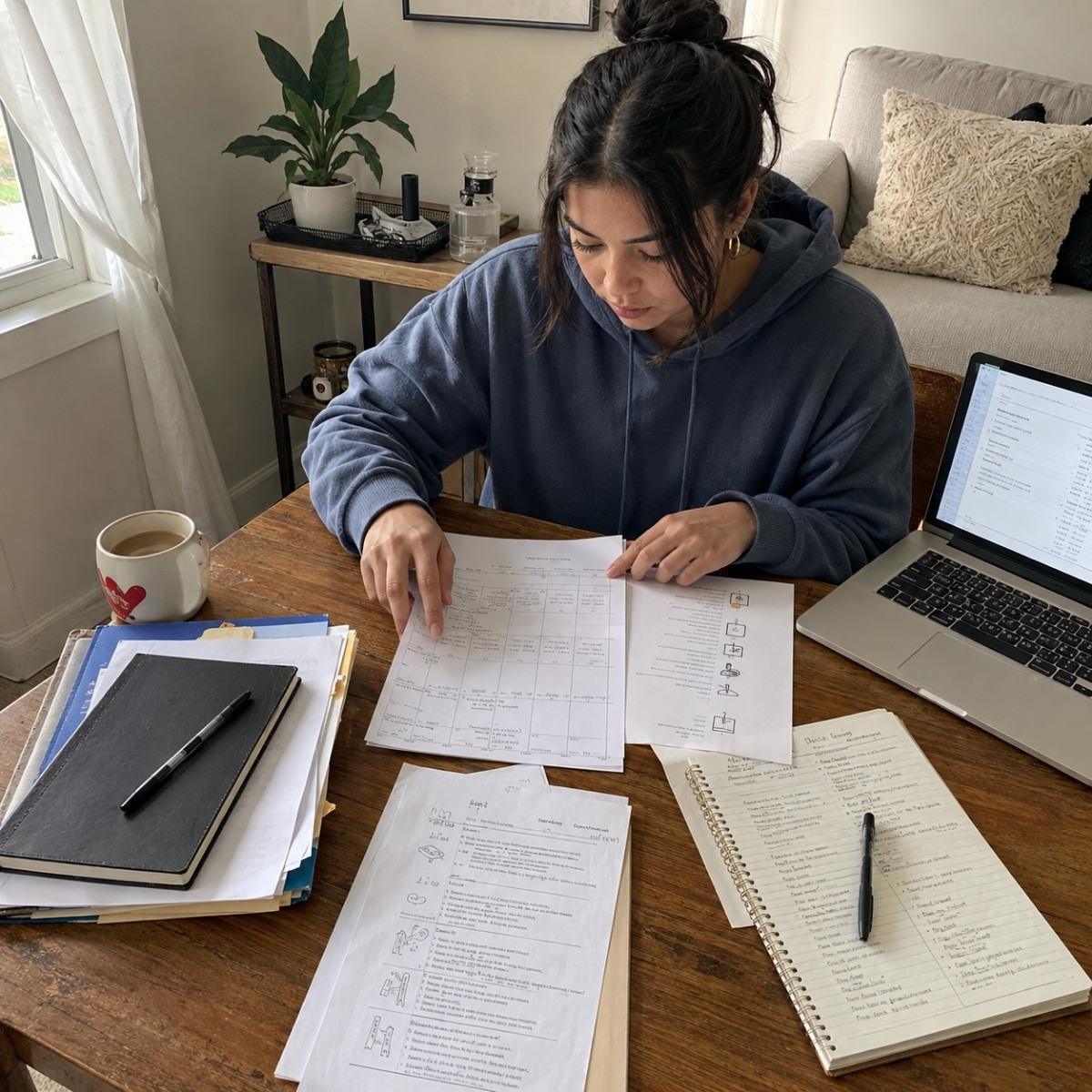
Here is a quick look at current esthetician hours by state:

Online Schooling and the Cost of Education

Many students balancing a job ask me if they can get an esthetician license online. A fully remote path simply does not exist. According to some distance learning standards, a few programs might offer theory classes digitally. Hands-on practical training is still mandatory to graduate and qualify for your exams.
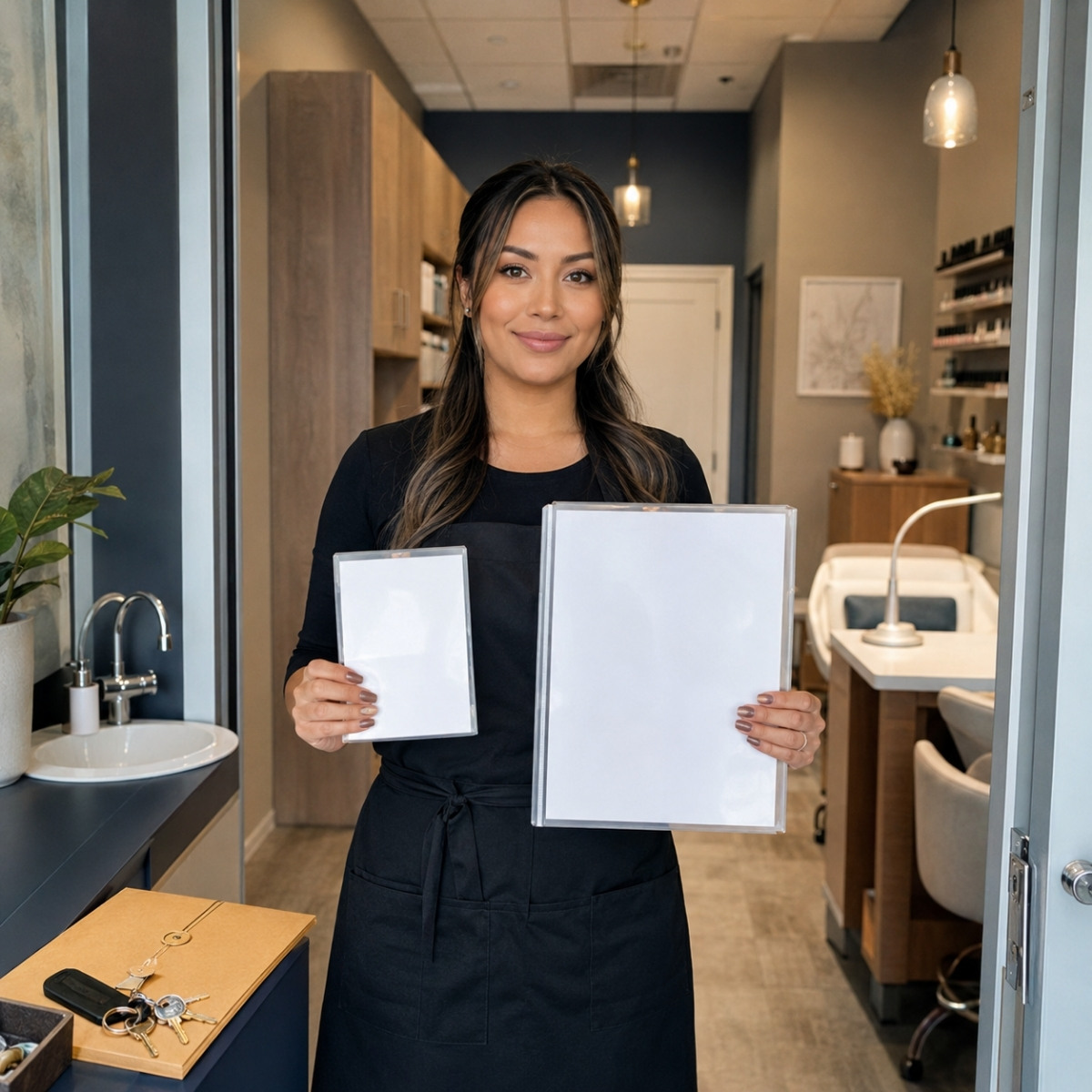
As for the financial side, people often wonder how much it costs to get an esthetician license. Tuition generally falls between $4,000 and $12,000. I suggest looking at our comprehensive guide on how to become an esthetician and handle the costs to understand this better. I view tuition as the core foundation of my career because your investment dictates your clinical experience before graduation.

Preparing for the State Board Exams

A detailed interior photograph of a clean, well-organized skincare treatment room featuring a stainless steel medical rolling cart in the foreground. The cart's tray holds hand sanitizer, blue nitrile gloves, cotton rounds, mixing bowls, and various facial extraction tools (tweezers, extractors) on a sterile wipe. In the background is a white treatment bed with a folded towel, a sink area with cabinets, a wicker basket, and a potted plant, all illuminated by soft natural light.

Surviving the Written Theory Exam

Your esthetician written exam will test you heavily on infection control, science, and sanitation. You will tackle subjects like microbiology, product chemistry, and state laws. If you are wondering how many questions are on the esthetician state board exam, the NIC theory format currently features 110 items, with 100 counting toward your score. Using a solid esthetician written exam practice test is the smartest way to prepare for these specific questions.

The Hands-On Practical Exam

The practical exam for esthetics causes the most anxiety for students. Examiners are not judging how relaxing your service is. They score you on strict sanitation, organization, and how you handle contamination risks. Reading up on what esthetician school is like day-to-day helps you understand the muscle memory needed to pass this section.

Also, keep in mind the upcoming NIC exam updates. Blood exposure procedures will be revised starting in March 2026. Infection control is going to remain the central focus of your practical exam.

Handling Applications and Background Checks

How to Apply After Passing Your Exams

Getting a passing score for the esthetics exam does not automatically give you your credentials. You still need to submit your application and fees. For instance, New York requires you to apply through its online licensing system, while Florida handles registrations through the DBPR portal.

Navigating Criminal History Evaluation

I also hear from readers worried about their past, asking if you can get an esthetician license with a felony. Many boards review criminal records on an individual basis. Texas looks at convictions individually and even offers a criminal history evaluation process so you know where you stand before applying. Honesty is always the best policy when dealing with your local board.

Moving States and Building Your Career

Transferring Your License to Another State

If you plan to relocate, you have to understand how to transfer an esthetician license from state to state. Most areas offer licensure by endorsement, which means they review your existing training and work history. New York allows endorsement for out-of-state professionals. Similarly, Virginia and its licensing requirement summary show pathways for endorsement based on your experience.

I see a lot of misinformation about the Cosmetology Licensure Compact. It has reached the legislative threshold, but it is not active yet. It is also built for cosmetologists, so estheticians cannot use it as a shortcut right now.

Renewing Credentials and Going Solo

Keeping your status active requires paying attention to renewal cycles. Florida mandates renewal every other year. If you get married, states have specific update protocols, like California’s formal name change process.

Earning this legal status gives you the freedom to shape your career. The Bureau of Labor Statistics highlights that many skincare specialists go on to become self-employed.

A cozy independent skincare studio with a white treatment bed, a black rolling tool cart, and a wooden desk with client paperwork in a room with warm neutral decor and natural window light.

Ready to Master Your Craft?

You now know how to navigate the local regulations and testing processes. The next important decision is finding a reliable educational partner.

At Perimeter Beauty & Barber Institute, we focus heavily on preparing you for a thriving, independent career. I highly encourage you to find out more details about our admissions process over at Enrollment. We want to ensure you have all the information you need to make the best choice for your future.

Please fill out the contact form below to connect with us. We are happy to discuss your goals, explain the required hours, and help you get started on this amazing career path.

Frequently Asked Questions

Do you need a license to be an esthetician?
In the United States, you generally need the appropriate state credential to legally perform professional skincare services. The exact credential title varies by location. For example, Florida uses a Facial Specialist registration rather than a standard esthetician title.

How many questions are on the esthetician state board exam?
If your state uses the NIC theory format, the current exam contains 110 items, with 100 scored. State-specific testing formats can vary, so I always recommend confirming your current candidate bulletin.

How do I look up where to get my esthetician license testing done?
Your state board or testing vendor will provide the scheduling path. New York handles application and exam scheduling through its online licensing system, while Georgia directs examination candidates to PSI.

How do I find specific esthetician license requirements by state?
Go straight to the official regulator. Earning an esthetics license in NY means checking the New York Department of State, while transferring credentials into Virginia means reviewing the Virginia Board for Barbers and Cosmetology.